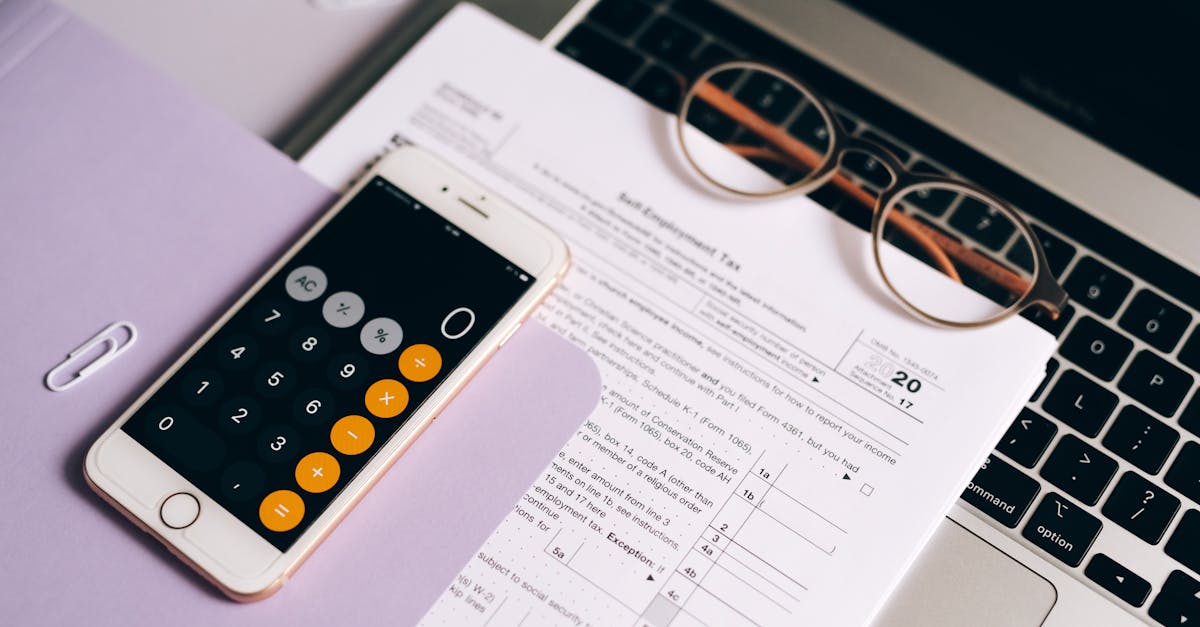
Your branch visits could hit a wall next week — plan cash now
4 Bank Holidays Jul 13–19: Is Your Cash Ready?
🤯 Miss a branch visit and your ₹10,000 cheque clearance waits 4 extra days
▼▲Read Full StoryCollapse
Banks including SBI and HDFC will stay shut for up to 4 days between July 13 and 19. Holidays vary by state. Plan your cash, cheques, and loan EMIs in advance to avoid any last-minute stress.
Multiple public and private sector banks face up to 4 closure days between July 13 and July 19, 2026.
Bank holidays in India are state-specific — your city's branches may close on different days than another city's.
RBI publishes an official holiday calendar each year listing all scheduled bank closures by state and reason.
Check the RBI's official bank holiday list at rbi.org.in to confirm which days your local branch stays shut.
Withdraw enough cash beforehand for 4–5 days — especially if you rely on branch counters or cheque deposits.
Schedule any NEFT, RTGS, or IMPS transfers before the holiday window — IMPS works 24x7 even on holidays.
Pro tip: IMPS transfers work round the clock on all holidays. If you need to move money urgently, IMPS is your safest bet — no waiting for branches to reopen.
Is your bank safe? Check lender ratings on GoCredit
Check Lenders →