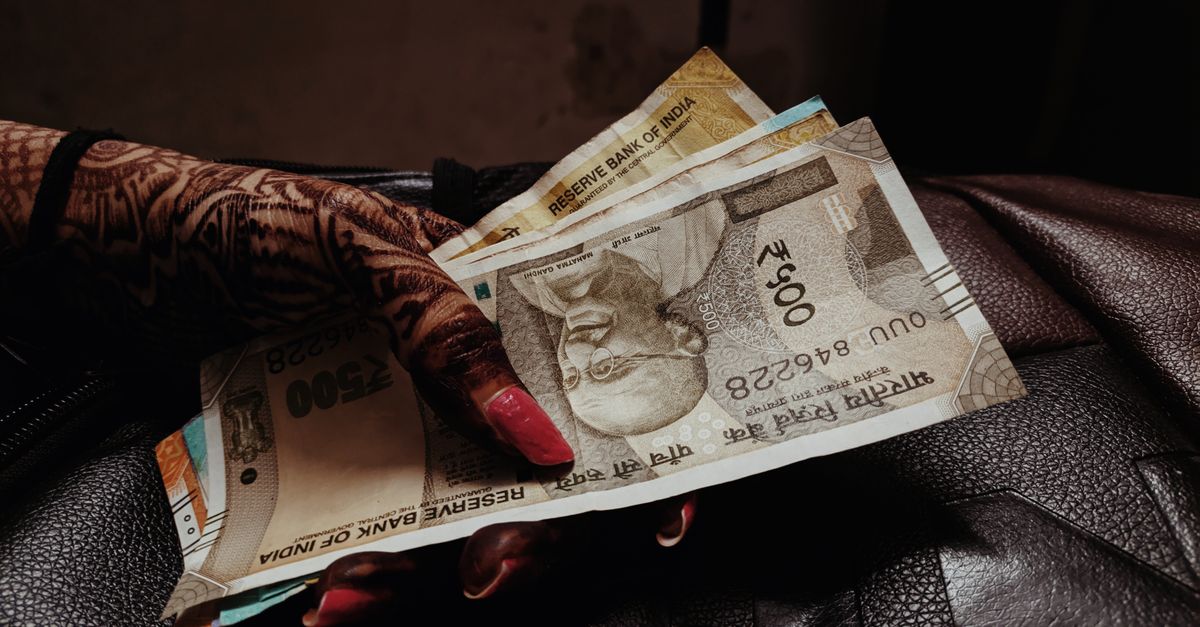
This crackdown on restaurant billing fraud means stricter GST enforcement is coming to your favourite dining spots — always ask for a proper tax invoice so your payments are accounted for correctly.
Restaurant Tax Fraud: What It Means for You
🤯 The average Indian family spends around ₹3,000–₹5,000 per month eating out. If...
▼▲Read Full StoryCollapse
Tax officials have raided nearly 100 restaurants across 45 cities, finding that some eateries delete bills from their billing software after customers leave. This GST and income tax evasion trick costs the government crores. As a diner and taxpayer, understanding this scam helps you protect yourself and know your rights when eating out.
Next time you finish a meal and the waiter hands you a bill, take a closer look.
This practice is made easier by point-of-sale (POS) and restaurant management software that allows bill deletion without leaving a clear audit trail.
For ordinary diners, the immediate risk is low — you are not liable for a restaurant's tax fraud.
Always demand a proper GST bill at restaurants — if the receipt doesn't show a GSTIN number, the establishment may not be filing taxes correctly and you could face complications if you need to claim GST input credit for business meals.
If you pay by UPI or card, screenshot your payment confirmation — digital payment trails are harder to delete and protect you if there's ever a dispute about whether a transaction happened.
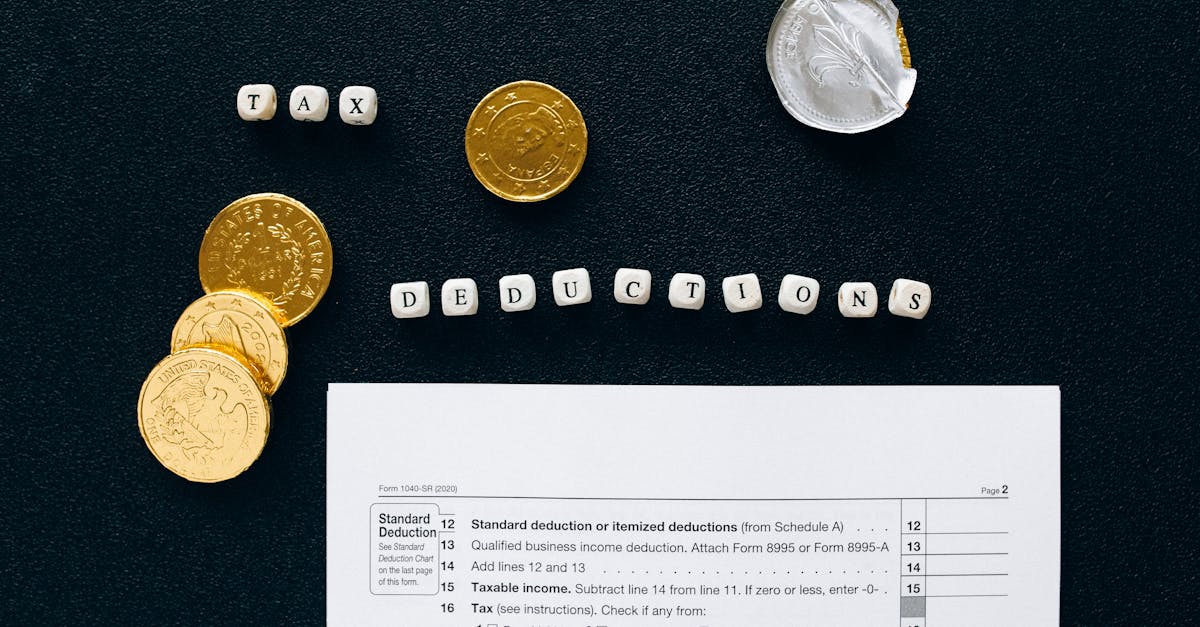
As a small business owner who entertains clients at restaurants, only claim meal expenses where you have a valid GST invoice with the restaurant's GSTIN — otherwise your business deduction could be disallowed during an IT scrutiny.
Pro tip: Use GoCredit to track your monthly dining and discretionary spending — keeping tabs on where your money goes each month is the first step...
Tax saved = EMI reduced — find your cheapest loan
Get Money →