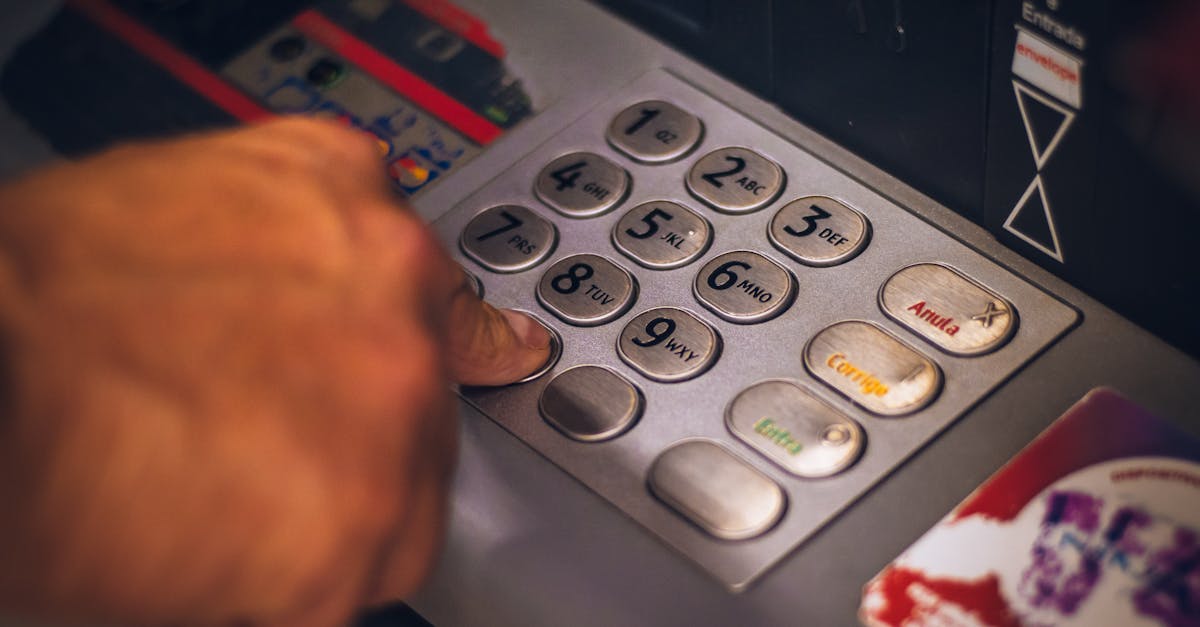
These proposed RBI safeguards could directly protect your savings by making it harder for fraudsters to instantly drain your bank account through phishing, vishing, or fake UPI requests.
RBI's New Anti-Fraud Rules: What Changes for You
🤯 Indians lost over ₹11,000 crore to cyber fraud in just one year — that's enough to pay...
▼▲Read Full StoryCollapse
The RBI wants banks to add extra safety steps for online transactions — like short delays before money moves, stronger verification for older or vulnerable users, and limits on how much can be credited to an account at once. These changes aim to protect Indians from rising digital payment fraud, especially seniors who are frequent targets of scammers.
Digital payments have exploded in India — UPI alone processes over 1,000 crore transactions a month.
One of the key proposals is introducing a time delay on certain high-value or first-time transactions.
The RBI is also looking at stronger authentication layers for users flagged as vulnerable — including the elderly and those with limited digital literacy.
If you have elderly parents doing online banking, help them enable all bank-offered fraud alerts and consider setting a daily transaction limit on their accounts — many banks already allow this in net banking settings.
Expect a short 'cooling-off' delay (possibly a few hours) on large first-time transfers to new beneficiaries — plan ahead so you are not caught off guard when paying rent or EMIs to a new account.
Never share OTPs, UPI PINs, or CVV numbers with anyone claiming to be from your bank — RBI's new rules strengthen authentication, but no rule replaces your own vigilance against social engineering scams.
Pro tip: Register your senior family members' bank accounts for 'positive pay' confirmation on cheques and activate 'transaction alert' SMS for...
Is your bank safe? Check lender ratings on GoCredit
Check Lenders →