Skip to content
Sabse Sasta Loan Offer — CIBIL pe Zero Impact
GoCredit
GoCredit AI
★★★★★4.8·40L+ users
INSTALL

Finance News — Page 22

News Padhne Se Loan Nahi Milta

GoCredit ka AI tumhari taraf se apply karta hai — CIBIL pe zero impact. Real approved offers minutes mein.

Get Real Offers — Free →
100 articles
Earn ₹2L+ Monthly? Why You're Still Broke in 2025
📋 Financial Planning
96d ago
💰
₹2.2 lakh/month

Even this salary leaves Mumbai couples with zero savings

Earn ₹2L+ Monthly? Why You're Still Broke in 2025

🤯 Mumbai's avg 2BHK rent alone eats 40% of a ₹2L salary — before chai.

Read Full Story
📋 TL;DR

Earning well but saving nothing? You're not alone. High rent, EMIs, lifestyle costs, and no budget make even ₹2 lakh monthly salaries feel empty. Here's what's really draining your wallet and how to fix it.

📰 What Happened

Mumbai couples earning ₹2+ lakh monthly are reporting near-zero savings due to rent, EMIs, and urban lifestyle costs.

Rent for a decent 2BHK in Mumbai ranges from ₹40,000 to ₹80,000/month — the single biggest budget killer.

Without a written budget or 'pay yourself first' habit, lifestyle expenses silently expand to consume every rupee earned.

🎯 What You Should Do

Track every expense for 30 days using apps like Walnut or YNAB — most people underestimate food and subscriptions by 40%.

💡

Automate a SIP or RD on salary day itself so savings leave your account before lifestyle spending begins.

Apply the 50-30-20 rule: 50% for needs (rent, EMIs, groceries), 30% for wants, 20% locked into savings and investments.

💡 Pro Tip

Pro tip: If your rent exceeds 30% of take-home pay, you're in a savings trap. Either negotiate, relocate to a farther suburb, or aggressively increase income — there's no budgeting hack that fixes 60% rent.

AI finds your cheapest loan from 100+ lenders

Build Your Savings Plan
RBI Rate Pause: How Much Can Your EMI Fall?
🏛️ RBI Policy
96d ago
💰
₹2,200/month

Your home loan EMI could drop this much on a ₹50L loan after rate cuts

RBI Rate Pause: How Much Can Your EMI Fall?

🤯 A 1% rate cut on ₹50L loan saves more than 3 months of grocery bills yearly

Read Full Story
📋 TL;DR

RBI has kept the repo rate steady at 6.25% in 2025 after cutting it earlier. Past rate cuts show home loan EMIs can fall significantly — but only if your bank passes on the benefit. Here's what you need to know.

📰 What Happened

RBI has held the repo rate steady in recent meetings after a 25 basis point cut earlier in 2025, signalling a cautious neutral stance.

Home loans linked to external benchmarks like the repo rate automatically reprice when RBI cuts — but banks on MCLR may delay passing benefits.

Each 0.25% repo rate cut on a ₹50 lakh, 20-year loan can reduce your EMI by roughly ₹800 or shorten your tenure by several months.

🎯 What You Should Do

Check whether your home loan is linked to repo rate (EBLR) or MCLR — repo-linked loans pass on cuts faster and more transparently.

💡

Ask your bank in writing for a revised amortisation schedule after any rate cut — lenders are not always proactive about reducing your EMI.

Compare your current home loan rate with new offers from other lenders — if the gap is 0.5% or more, consider a balance transfer to save lakhs.

💡 Pro Tip

When rates fall, ask your lender to reduce loan tenure instead of EMI — you pay far less total interest and own your home years earlier.

RBI rules change your EMI — check your current rate

Compare Rates
Home Loan Tax Breaks: Are You Claiming ₹3.5L?
📋 Financial Planning
96d ago
💰
₹1.5 lakh + ₹2 lakh

Your home loan saves you this much in tax deductions every year

Home Loan Tax Breaks: Are You Claiming ₹3.5L?

🤯 ₹3.5L in annual tax deductions = 4 years of your Netflix + Swiggy bills combined.

Read Full Story
📋 TL;DR

A home loan is not just about buying a house — it comes with EMI choices, eligibility rules, and tax perks worth up to ₹3.5 lakh a year. Here is everything you need to know before you sign.

📰 What Happened

Under Section 80C and 24(b) of the Income Tax Act, home loan borrowers can claim up to ₹1.5 lakh on principal repayment and ₹2 lakh on interest paid annually.

Home loans come in multiple types — fixed rate, floating rate, and hybrid — each with different risk and EMI stability profiles for the borrower.

Lenders assess eligibility using your income, credit score (typically 700+), existing EMIs, age, and employment type before approving any loan amount.

🎯 What You Should Do

Check your CIBIL score before applying — a score below 700 can get your loan rejected or push your interest rate up by 0.5–1% easily.

💡

Compare at least 3 lenders (banks and HFCs) on effective interest rate, processing fee, and prepayment penalty — do not just go with your salary bank.

File your home loan interest certificate every year and claim both Section 24(b) and 80C deductions in your ITR to maximise your tax refund.

💡 Pro Tip

First-time buyers can claim an additional ₹50,000 deduction under Section 80EE (loan sanctioned between Apr 2016–Mar 2017) or ₹1.5 lakh under 80EEA if the stamp duty value was under ₹45 lakh — most borrowers miss this entirely.

AI finds your cheapest loan from 100+ lenders

Check Your Loan Offers
Gold ETF Capped ₹2L/Day: Is Your SIP Still Safe?
📊 Investing
96d ago
💰
₹2 lakh per day

Your Gold ETF top-ups may now be capped at this limit

Gold ETF Capped ₹2L/Day: Is Your SIP Still Safe?

🤯 Gold's 2025 rally has outpaced the average Indian's annual salary hike by 3x.

Read Full Story
📋 TL;DR

ICICI Prudential AMC has put limits on large lump-sum purchases of its Gold ETF during a sharp gold price rally. Here's what this means for your gold investments and what you should do now.

📰 What Happened

ICICI Prudential AMC restricted large lump-sum subscriptions to its Gold ETF amid a strong rally in gold prices in 2025.

Such restrictions are typically triggered when inflows surge so fast that the fund struggles to buy physical gold at fair prices without moving the market.

Existing SIP investors and small retail investors buying modest amounts are generally unaffected by such subscription caps.

🎯 What You Should Do

Check whether your existing Gold ETF SIP mandate is impacted — log into your broker or AMC portal and confirm your next SIP instalment went through.

💡

If you were planning a large lump-sum gold investment, split it across multiple smaller purchases or switch to a Gold Fund of Fund (FoF) that may not have the same cap.

Compare Sovereign Gold Bonds (SGBs) or other Gold ETFs from different AMCs as alternatives if you need to deploy a large gold allocation right now.

💡 Pro Tip

When one AMC caps Gold ETF subscriptions, rival AMCs rarely follow immediately — you can often invest in a competing Gold ETF (like Nippon or HDFC) without any restrictions for days or weeks.

Investing is step 1. Step 0? Get your CIBIL score right

Check CIBIL Free
Student Loans via EdTech: Are You Paying Too Much?
📋 Financial Planning
96d ago
💰
₹2–10 lakh

Education loans trap many students in debt before their career even starts

Student Loans via EdTech: Are You Paying Too Much?

🤯 A ₹3L edtech loan at 18% interest costs more than 2 years of chai for a family of 4

Read Full Story
📋 TL;DR

PhysicsWallah dropped its plan to lend directly to students and will now partner with NBFCs instead. If you or your child is taking a loan to pay for an online course, here's what you need to know before signing anything.

📰 What Happened

Edtech platforms increasingly offer 'study now, pay later' loans — often through NBFC partners who charge 15–24% annual interest

Many of these loans are unsecured personal loans repackaged as education finance, with no moratorium period after course completion

Unlike bank education loans, NBFC-backed edtech loans rarely qualify for income tax deduction under Section 80E

🎯 What You Should Do

Check the loan type: ask if it's an 'education loan' or a personal loan — the interest rate and tax benefits differ significantly

💡

Compare with a bank education loan before signing any edtech platform's loan offer — SBI, Bank of Baroda offer rates from 8.5–10%

Verify the lender's name on your loan agreement — you must know which NBFC holds your debt, not just the edtech platform's name

💡 Pro Tip

Only loans from scheduled banks and eligible financial institutions qualify for Section 80E tax deduction — NBFC edtech loans often do NOT, costing you ₹15,000–₹45,000 extra in taxes over the repayment period.

AI finds your cheapest loan from 100+ lenders

Compare Education Loan Rates
📊

Free CIBIL Score Check

Check your credit score instantly — zero impact on CIBIL

Check Score Free
RBI Holds Rate at 5.25%: Will Your EMI Drop?
🏛️ RBI Policy
96d ago
📉
5.25%

Your home loan and personal loan EMIs stay at this rate for now

RBI Holds Rate at 5.25%: Will Your EMI Drop?

🤯 At 5.25%, your ₹50L home loan EMI stays ₹3,200+ above what it'd be at 4% rates

Read Full Story
📋 TL;DR

RBI has kept the repo rate unchanged at 5.25% with a neutral policy stance. But with inflation now projected higher at 5.1% and GDP growth trimmed to 6.6%, your cost of living may rise even as loan rates stay flat.

📰 What Happened

RBI held the repo rate steady at 5.25%, meaning banks have no fresh signal to cut lending rates on home, car, or personal loans.

Retail inflation forecast for FY27 was revised upward to 5.1% from 4.6%, signalling that everyday prices — groceries, fuel, rent — may stay elevated.

Real GDP growth projection was trimmed to 6.6% from 6.9%, suggesting the economy is growing but at a slightly slower pace than earlier expected.

🎯 What You Should Do

Check your home loan type — if you're on a floating-rate loan linked to repo (EBLR), your EMI won't change; confirm this with your bank's loan statement.

💡

Review your monthly budget for inflation creep — with CPI projected at 5.1%, plan for higher grocery, fuel, and education costs in the coming months.

Compare FD rates now — banks may hold or slightly reduce deposit rates; lock in a 1-2 year FD at current rates before any future cuts reduce returns.

💡 Pro Tip

When RBI holds rates with a neutral stance, banks sometimes quietly cut savings account interest rates before cutting lending rates — check your savings account rate this week.

RBI rules change your EMI — check your current rate

Compare Rates
9-Year Personal Loan: Does Your EMI Really Get Cheaper?
📋 Financial Planning
96d ago
💰
₹2,500/month

Your EMI drops this much by choosing a longer repayment tenure

9-Year Personal Loan: Does Your EMI Really Get Cheaper?

🤯 That ₹2,500 EMI difference covers 83 cups of chai or a month's vegetable budget for a...

Read Full Story
📋 TL;DR

Bajaj Finance now offers personal loans up to ₹55 lakh with repayment tenures up to 9 years. Longer tenure means lower monthly EMI — but you pay significantly more interest overall. Here's what that trade-off really means for your wallet.

📰 What Happened

Bajaj Finance offers personal loans from ₹40,000 to ₹55 lakh with tenures up to 108 months (9 years), longer than most lenders' 5-year cap.

A ₹5 lakh loan at 14% p.a. costs ₹11,634/month over 5 years — but stretching to 7 years drops the EMI to ₹9,117, saving ₹2,500 monthly.

The application is fully digital with funds disbursed within 24 hours of approval, and an EMI calculator lets you model costs before applying.

🎯 What You Should Do

Calculate your true loan cost using the EMI calculator — compare total interest paid at 5, 7, and 9 years before choosing a tenure.

💡

Check your monthly cash flow first: only choose a longer tenure if the lower EMI genuinely prevents financial strain each month.

Compare interest rates across lenders (HDFC, SBI, ICICI) before applying — even a 1–2% rate difference saves more than a longer tenure does.

💡 Pro Tip

Pro tip: A longer tenure lowers your EMI but can cost you 40–60% more in total interest. Use the saved ₹2,500/month to top up an SIP instead — that way you beat the extra interest cost.

AI finds your cheapest loan from 100+ lenders

Compare Loan Offers Now
UPI Abroad in 17 Countries: Are You Overpaying?
📱 Fintech News
97d ago
🎯
17 countries

UPI now works in this many countries — your travel just got cheaper

UPI Abroad in 17 Countries: Are You Overpaying?

🤯 A forex card charges ₹150–300 per swipe — UPI abroad could save that every transaction

Read Full Story
📋 TL;DR

UPI has expanded to Cambodia, letting Indian travellers pay at QR-code shops using their Indian UPI app. No forex card, no cash needed. Here's what it means for your next international trip and how to use it smartly.

📰 What Happened

NPCI International has enabled UPI payments at QR-code merchants in Cambodia through a tie-up with Acleda Bank, making real-time cross-border payments possible.

Indian travellers can now scan local QR codes in Cambodia and pay directly in rupees from their Indian UPI app — the conversion happens automatically.

Cambodia joins a growing list of 17+ countries including Singapore, UAE, France, Sri Lanka, and Nepal where UPI acceptance is active or being rolled out.

🎯 What You Should Do

Check if your UPI app (PhonePe, Google Pay, Paytm) supports international payments before your trip — not all apps have activated this feature yet.

💡

Compare the forex conversion rate your bank applies on UPI transactions abroad versus a dedicated travel forex card — the difference can be ₹200–500 per day.

Avoid carrying large amounts of foreign cash — use UPI for small merchant payments and keep a backup card only for emergencies or ATM withdrawals.

💡 Pro Tip

Pro tip: RBI mandates that your bank must disclose the forex markup rate upfront. Ask your bank specifically for the 'international UPI transaction fee' — it's often 1–3.5% and buried in the fine print.

AI finds your cheapest loan from 100+ lenders

Explore Smart Travel Finance
Retiring at 55? Your Return Estimate May Be Wrong
📋 Financial Planning
97d ago
💰
12% equity return assumption can leave you ₹40L short

Overestimating returns could crush your retirement corpus by lakhs

Retiring at 55? Your Return Estimate May Be Wrong

🤯 Assuming 12% equity returns is like expecting every chai to cost ₹5 — it hasn't been...

Read Full Story
📋 TL;DR

Most Indians planning retirement use 12% or higher as their expected return from equity mutual funds. This is dangerously optimistic. Here's what numbers you should actually use — and why getting this wrong can leave you seriously short of money.

📰 What Happened

Many retirement planners assume 12–15% annual equity returns, but real long-term post-inflation (real) returns from Indian equity funds are much lower.

A 35-year-old planning to retire at 55 has a 20-year window — long enough for market cycles to compress average returns significantly.

Inflation averaging 6–7% per year in India can erode nominal returns, so a 10% return is closer to just 3–4% in real purchasing power.

🎯 What You Should Do

Use 10–11% as your nominal equity return assumption and 6–7% for debt when building a retirement plan — not 12% or above.

💡

Run your retirement corpus calculation twice: once at your optimistic number, once at 2% lower — the gap shows your real risk buffer.

Check if your current SIP amount still hits your target corpus at the conservative return; if not, increase your monthly SIP now, not later.

💡 Pro Tip

Pro tip: Always plan retirement using 'real returns' (return minus inflation). If equity gives 10% and inflation is 6%, your real return is only ~4% — plan accordingly or you'll retire underfunded.

AI finds your cheapest loan from 100+ lenders

Plan Your Retirement Now
SGBs vs Mutual Funds: Which Saves You More Tax?
📊 Investing
97d ago
💰
₹0 tax on SGB gains

Your SGB profits are completely tax-free if held till maturity

SGBs vs Mutual Funds: Which Saves You More Tax?

🤯 ₹10L SGB gain = ₹0 tax. Same gain in gold fund = up to ₹2L gone

Read Full Story
📋 TL;DR

Sovereign Gold Bonds give you zero capital gains tax if you hold them for 8 years. Gold mutual funds don't. That one difference can save lakhs for a long-term gold investor.

📰 What Happened

Sovereign Gold Bonds (SGBs) issued by RBI offer full capital gains tax exemption if redeemed at maturity after 8 years.

Gold mutual funds and ETFs are now taxed at your income tax slab rate for short-term gains and 12.5% for long-term gains post Budget 2024.

SGBs also pay 2.5% annual interest on the issue price, giving investors an extra return on top of gold price appreciation.

🎯 What You Should Do

Check if your gold investment goal is 8+ years away — if yes, prioritise SGBs over gold ETFs or funds for zero maturity tax.

💡

Calculate your potential tax saving: if gold grows ₹5L during your holding period, a gold fund costs you up to ₹62,500 in tax; SGB costs ₹0.

Track RBI SGB tranche announcements on rbi.org.in or your bank's app — new series open periodically and sell out fast.

💡 Pro Tip

If you exit an SGB early on the stock exchange before 8 years, capital gains tax applies — only the RBI maturity redemption route is fully tax-free.

Investing is step 1. Step 0? Get your CIBIL score right

Check CIBIL Free
🎯

AI Loan Agent — 100+ Lenders

AI scans all lenders and finds your cheapest EMI automatically

Find Cheapest Loan
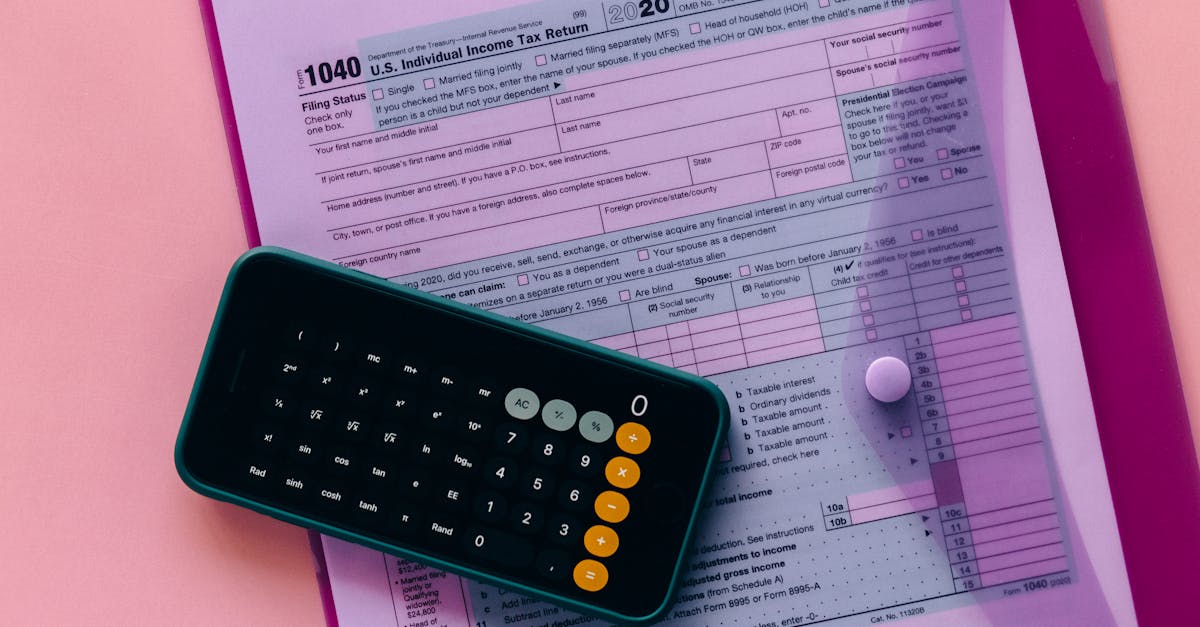
Filing ITR Early in 2025? Your Refund May Stall
💰 Tax & Budget
97d ago
💰
₹0 refund

Your refund can stall for months if you file ITR before your AIS updates

Filing ITR Early in 2025? Your Refund May Stall

🤯 Waiting 2 extra weeks to file can save you more time than 3 trips to a CA office

Read Full Story
📋 TL;DR

ITR filing for FY2024-25 is open, but key tax documents like AIS and Form 26AS are still being updated. Filing too early can cause data mismatches, trigger notices, and delay your refund by weeks or even months.

📰 What Happened

The Income Tax Department has released ITR utilities for FY2024-25, but AIS, TIS, and Form 26AS data is still being populated by banks, employers, and other deductors.

If you file before your AIS is fully updated, the income or TDS figures in your return may not match what the tax department's system shows — triggering a mismatch notice.

A mismatch can force you to file a revised return, delay your refund processing, or in some cases, result in a defective return notice under Section 139(9).

🎯 What You Should Do

Log into the Income Tax portal (incometax.gov.in), go to AIS/TIS under the 'Annual Information Statement' tab, and verify all entries — especially TDS from salary, bank interest, and dividends — before you start filling your ITR.

💡

Cross-check Form 26AS with your actual Form 16 from your employer; if TDS credits are missing or mismatched, wait until June-end when most employers complete TDS deposits and corrections.

If you have already filed and spot a mismatch, file a revised return before the December 31, 2025 deadline — but act quickly since refunds only process after your return is fully reconciled.

💡 Pro Tip

Pro tip: Interest earned on savings accounts and FDs is often added to AIS in batches well into June-July. File after July 1 if you have multiple bank accounts or FDs — your AIS will be far more complete by then.

Tax saved = EMI reduced — find your cheapest loan

Find Cheapest Loan
Recovery Agent Harassing You? Know Your 6 Rights
🏦 Bank Updates⚠️BORROWER ALERT
97d ago
🎯
6 legal rights

You have these rights if a recovery agent harasses you

Recovery Agent Harassing You? Know Your 6 Rights

🤯 A recovery agent calling you at midnight is breaking RBI rules — just like a...

Read Full Story
📋 TL;DR

If a loan recovery agent is threatening, abusing, or calling you at odd hours, you have real legal rights under RBI guidelines. You can complain, seek protection, and even claim damages. Here is what every borrower must know.

📰 What Happened

RBI guidelines strictly regulate how and when loan recovery agents can contact borrowers — violations are punishable offences.

Borrowers can file complaints with the RBI Ombudsman, SEBI, or police if agents use threats, abuse, or public shaming tactics.

Lenders are legally responsible for the conduct of their recovery agents — the bank cannot simply blame the third-party agency.

🎯 What You Should Do

Record all calls and save screenshots of messages from recovery agents as evidence before filing any complaint.

💡

File a complaint directly on RBI's Complaint Management System (cms.rbi.org.in) if the lender does not resolve your grievance in 30 days.

Send a written legal notice to the lender citing RBI's Fair Practices Code — this often stops aggressive recovery tactics immediately.

💡 Pro Tip

RBI guidelines allow recovery agents to contact you only between 8 AM and 7 PM. Any call outside these hours is a direct violation you can report.

Is your bank safe? Check lender ratings on GoCredit

Check Lenders
Open an FD in 5 Minutes: Your Best Rates in 2025
🏦 Savings & Deposits
97d ago
📉
9.5% p.a.

Top FD rates you can lock in from your phone today

Open an FD in 5 Minutes: Your Best Rates in 2025

🤯 An FD earning 9% beats your savings account by ₹4,500/year on ₹1 lakh

Read Full Story
📋 TL;DR

Fixed deposits are back in fashion. With rates as high as 9.5% at small finance banks, you can open one online in minutes — no branch visit needed. Here's how to pick the right FD and get started today.

📰 What Happened

Several small finance banks and NBFCs are currently offering FD rates between 8.5%–9.5% p.a., well above the 3–4% offered by regular savings accounts.

Most major banks — SBI, HDFC, ICICI, Axis — allow you to open an FD fully online via net banking or mobile app in under 5 minutes with zero paperwork.

Senior citizens get an additional 0.25%–0.50% interest over standard rates at most banks, and tax-saving FDs (5-year lock-in) qualify for deduction under Section 80C up to ₹1.5 lakh.

🎯 What You Should Do

Compare FD rates across banks on RBI's or aggregator platforms before locking in — a 1% difference on ₹5 lakh means ₹5,000 extra per year.

💡

Open your FD through your existing bank's app or net banking: go to Deposits > Fixed Deposit > New FD, enter amount and tenure, and confirm with OTP — done in minutes.

Check the DICGC insurance limit: deposits up to ₹5 lakh per bank are insured — if you're investing more, split across two banks for full coverage.

💡 Pro Tip

Laddering FDs — splitting your corpus into 3 FDs maturing every 1, 2, and 3 years — gives you both liquidity and the benefit of reinvesting at higher rates if they rise.

FD vs loan EMI — which earns you more? AI will tell

Compare Now
Dark Patterns Fined: Is Your App Trapping You?
📱 Fintech News
97d ago
💰
₹5,00,000 fine

Companies fined for tricking you into paying for subscriptions you didn't want

Dark Patterns Fined: Is Your App Trapping You?

🤯 That sneaky pre-ticked box could cost you ₹499/month — more than your Netflix plan

Read Full Story
📋 TL;DR

India's consumer protection authority fined two companies for using sneaky website designs that tricked users into unwanted purchases. These 'dark patterns' are now illegal — and you have the right to demand refunds if you were misled.

📰 What Happened

India's CCPA fined PhysicsWallah ₹5,00,000 and McAfee ₹1,00,000 in mid-2026 for using banned dark patterns on their platforms.

Dark patterns are interface tricks — pre-ticked boxes, hidden cancel buttons, fake urgency timers — that push users into purchases they never intended.

India banned dark patterns in 2023 guidelines; companies must get clear, active consent before charging users for any subscription or add-on.

🎯 What You Should Do

Audit your bank or UPI statement for recurring charges you don't recognise — cancel any subscription you never consciously signed up for.

💡

When signing up on any app or website, uncheck all pre-selected boxes before hitting 'confirm' — never assume defaults are in your favour.

If a platform tricked you into a paid plan, file a complaint at consumerhelpline.gov.in — CCPA has already shown it will act and fine companies.

💡 Pro Tip

Under Consumer Protection Act 2019, you can demand a full refund for any purchase made due to a misleading interface — screenshot the dark pattern before the company fixes it, as evidence disappears fast after a complaint notice.

AI finds your cheapest loan from 100+ lenders

Protect Your Money
Home Loan EMI Above 30%? Your Savings Take the Hit
📋 Financial Planning
97d ago
📉
30%

Keep your home loan EMI within this share of your monthly income

Home Loan EMI Above 30%? Your Savings Take the Hit

🤯 A ₹50L home loan EMI often costs more than 3 months of a fresh engineer's salary —...

Read Full Story
📋 TL;DR

Taking a home loan that eats more than 30% of your monthly income can drain your savings, hurt your CIBIL score, and leave nothing for emergencies or retirement. Here is how to borrow smartly.

📰 What Happened

Financial planners recommend capping home loan EMIs at 30% of gross monthly income to protect savings, insurance, and investment goals.

When EMIs exceed 40-50% of income, borrowers often skip SIPs, delay insurance premiums, and build zero emergency funds — a dangerous financial trap.

Lenders may approve loans with EMI-to-income ratios up to 50-55%, but high debt obligations hurt CIBIL scores if even one EMI is missed.

🎯 What You Should Do

Calculate your 30% ceiling: multiply your gross monthly salary by 0.30 — that is the maximum EMI you should take on for any home loan.

💡

Use a free EMI calculator to test different loan amounts, tenures, and interest rates before you sign — even a 5-year longer tenure can reduce your EMI significantly.

Check your CIBIL score before applying — a score above 750 can help you negotiate a lower interest rate and reduce your EMI burden from day one.

💡 Pro Tip

Pro tip: If your EMI crosses 30%, increase the loan tenure instead of the loan amount — a 25-year vs 20-year tenure on ₹50L at 8.5% saves you nearly ₹4,200 per month in EMI cash flow.

AI finds your cheapest loan from 100+ lenders

Check Your Loan Offers
🛡️

Recovery Harassment? Get Help

Loan Kavach: legal team fights harassment calls for you

Get Protection
NPS Gets a Sandbox: Will Your Pension Grow Faster?
📋 Financial Planning
97d ago
💰
47 crore+ NPS subscribers

Your retirement savings could soon benefit from new pension innovations

NPS Gets a Sandbox: Will Your Pension Grow Faster?

🤯 Most Indians save less for retirement than they spend on chai in 10 years

Read Full Story
📋 TL;DR

PFRDA has launched a regulatory sandbox to test new pension products and fintech ideas in a safe, controlled way — which could soon mean better tools and higher returns for your NPS account.

📰 What Happened

PFRDA, India's pension regulator, has created a formal sandbox framework where companies can pilot new pension products and fintech solutions under live but controlled conditions.

The sandbox lets startups and financial firms test ideas — like AI-based retirement planning, new investment options, or digital onboarding tools — without full regulatory approval upfront.

Any innovation that passes the sandbox trial could eventually be rolled out to the broader NPS and APY ecosystem, directly affecting how millions of Indians save for retirement.

🎯 What You Should Do

Check your current NPS allocation — log into CRA (NSDL or KFintech) and confirm your asset mix matches your age and risk appetite before new products arrive.

💡

Compare your NPS Tier-1 returns against peer fund managers at npstrust.org.in — switching fund manager is free and can meaningfully improve your retirement corpus.

If you are self-employed or in the private sector, verify you are contributing at least ₹500 per month to NPS to stay eligible for the extra ₹50,000 tax deduction under Section 80CCD(1B).

💡 Pro Tip

The ₹50,000 NPS deduction under Section 80CCD(1B) is OVER and ABOVE the ₹1.5 lakh 80C limit — a salaried person in the 30% tax bracket saves ₹15,000 extra in tax every year just from this one step.

AI finds your cheapest loan from 100+ lenders

Boost Your NPS Returns
5 Medical ITR Deductions: Are You Claiming All?
💰 Tax & Budget
97d ago
💰
₹1,00,000 saved

Your medical bills can cut taxable income by up to this amount

5 Medical ITR Deductions: Are You Claiming All?

🤯 Most salaried Indians skip ₹25,000 in health deductions — that's 500 cups of chai left...

Read Full Story
📋 TL;DR

Under the old tax regime, Indian taxpayers can claim up to ₹1 lakh in deductions for health insurance premiums, medical expenses for senior parents, and treatment of serious disabilities. Most people miss several of these every year.

📰 What Happened

Section 80D lets you claim up to ₹25,000 on health insurance premiums — and up to ₹50,000 if the insured is a senior citizen.

Section 80DD covers medical expenses and insurance for a dependent with a disability — deduction is ₹75,000 (severe disability: ₹1,25,000).

Section 80DDB allows deduction up to ₹40,000 (₹1,00,000 for senior citizens) for treatment of specified serious illnesses like cancer or kidney failure.

🎯 What You Should Do

Check your health insurance premium receipts and claim 80D for yourself, spouse, children, and parents — file separate amounts for senior parents.

💡

Collect a prescription or certificate from a specialist doctor if claiming 80DDB — the IT department requires it as proof.

Compare whether old vs new tax regime saves you more money before filing your ITR this July — these deductions only apply under the old regime.

💡 Pro Tip

If your parents are uninsured seniors, you can still claim up to ₹50,000 under 80D for actual medical expenses paid — no insurance policy required.

Tax saved = EMI reduced — find your cheapest loan

Find Cheapest Loan
REITs as 4th Asset Class: Should You Invest?
📊 Investing
97d ago
📉
8-10% annual returns

REITs can offer you this yield — more than most FDs right now

REITs as 4th Asset Class: Should You Invest?

🤯 One REIT unit costs roughly ₹200-400 — less than your monthly Netflix bill

Read Full Story
📋 TL;DR

REITs — which let you invest in commercial real estate without buying property — are now being seen as a serious fourth asset class alongside equity, debt, and gold. Even conservative investors can consider a small allocation for steady rental-like income.

📰 What Happened

Wealth managers are formally recommending REITs as a distinct asset class alongside equity, debt, and gold for Indian investors.

REITs distribute at least 90% of their rental income to investors, making them a source of regular, predictable cash flow.

Conservative investors are being advised to consider parking 10-15% of their fixed-income allocation in REITs for better yield than FDs.

🎯 What You Should Do

Check the 3 listed Indian REITs — Embassy Office Parks, Mindspace, and Brookfield — on NSE/BSE before deciding.

💡

Compare REIT distribution yields (currently 7-9%) against your existing FD or debt fund returns to see if a switch makes sense.

Start small: invest via a mutual fund REIT-of-funds or buy as few as 1 unit on a stock exchange to test the product first.

💡 Pro Tip

REIT income has two parts — dividends (tax-free up to a limit) and interest payouts (taxed at your slab). Check the breakdown in the quarterly statement before assuming full tax efficiency.

Investing is step 1. Step 0? Get your CIBIL score right

Check CIBIL Free
P/E vs PEG: Which Ratio Saves Your SIP Returns?
📊 Investing
97d ago
📉
50% undervalued

A stock can look expensive on P/E but be 50% undervalued once growth is factored in

P/E vs PEG: Which Ratio Saves Your SIP Returns?

🤯 A ₹5,000 SIP mistake from chasing a 'cheap' P/E stock can cost ₹2L over 10 years.

Read Full Story
📋 TL;DR

P/E tells you what you pay per rupee of profit. PEG adds growth to that equation. Together, they help you avoid overpaying for slow-growth stocks or missing fast-growing bargains in your mutual fund or direct equity portfolio.

📰 What Happened

The P/E ratio divides a stock's price by its earnings per share — a lower number often signals a cheaper stock, but ignores how fast profits are growing.

The PEG ratio divides P/E by the company's annual earnings growth rate — a PEG below 1 is generally considered undervalued by most analysts.

Indian retail investors increasingly use PEG alongside P/E when evaluating smallcap and midcap stocks, where growth rates vary widely across sectors.

🎯 What You Should Do

Check the P/E of any stock or mutual fund you hold on Screener.in or Tickertape — if it's above 40, also look up its 3-year earnings growth rate before deciding it's overpriced.

💡

Calculate PEG yourself: divide the stock's P/E by its expected earnings growth percentage — if the result is below 1, the stock may be a growth bargain worth investigating further.

Avoid using P/E alone for sectors like IT, pharma, or FMCG where growth trajectories differ sharply — always pair P/E with PEG and revenue growth trends before investing.

💡 Pro Tip

PEG works best for consistent compounders. For cyclical sectors like metals or PSU banks, use Price-to-Book alongside P/E — earnings there are too volatile for PEG to be reliable.

Investing is step 1. Step 0? Get your CIBIL score right

Check CIBIL Free
BharatPe Flex: 45 Days Free Credit on Your UPI?
📱 Fintech News
97d ago
45 days interest-free

You can now buy via UPI and pay later — with zero interest for this long

BharatPe Flex: 45 Days Free Credit on Your UPI?

🤯 45 interest-free days = roughly 6 weeks of chai budgets before your bill even starts...

Read Full Story
📋 TL;DR

BharatPe and YES Bank launched BharatPe Flex — a credit line linked to your UPI. You can pay now without funds in your account and repay within 45 days for free, or spread it over 3–12 month EMIs.

📰 What Happened

BharatPe and YES Bank launched BharatPe Flex, a credit-on-UPI product letting eligible users pay via UPI even with zero wallet or bank balance.

Users get up to 45 days of interest-free credit — after which they can repay the full amount or convert to EMIs ranging from 3 to 12 months.

This joins a growing list of RBI-authorised credit-on-UPI products, where a pre-approved credit line is linked directly to a user's UPI handle for seamless spending.

🎯 What You Should Do

Check eligibility carefully — credit-on-UPI products like Flex are typically offered to users with a good credit score (700+), so pull your CIBIL report before applying.

💡

Always repay within the 45-day interest-free window; missing it and rolling into EMIs will attract interest rates that can range from 18% to 36% annually — read the fine print.

Compare BharatPe Flex against similar products like LazyPay, Slice, or your bank's UPI credit line before signing up — fees, credit limits, and EMI rates vary significantly.

💡 Pro Tip

Credit-on-UPI spends may be reported to credit bureaus just like credit card usage. High utilisation of your credit line can quietly lower your CIBIL score even if you repay on time.

AI finds your cheapest loan from 100+ lenders

Check Your Credit Score
📈

Improve CIBIL by 100 Points

AI analyzes your report and gives a personalized action plan

Boost My Score
File ITR-1 Online in 7 Steps: Miss 0 Details
💰 Tax & Budget
97d ago
💰
₹5,000 penalty

You pay this fine if you miss your ITR filing deadline

File ITR-1 Online in 7 Steps: Miss 0 Details

🤯 Skipping ITR costs more than 3 months of your Netflix subscription — every single year.

Read Full Story
📋 TL;DR

Filing your income tax return online is easier than most people think. The government's e-filing portal pre-fills most of your details. Follow these 7 steps and get it done before the July 31 deadline — no CA needed for most salaried people.

📰 What Happened

The Income Tax Department's e-Filing portal (incometax.gov.in) now pre-fills ITR-1 with salary, TDS, and interest income data automatically from Form 26AS and AIS.

ITR-1 (Sahaj) applies to salaried individuals with total income up to ₹50 lakh, one house property, and no business or capital gains income.

The deadline to file ITR for FY 2024-25 (AY 2025-26) is July 31, 2025 — missing it triggers a late fee of up to ₹5,000 and loss of certain carry-forward deductions.

🎯 What You Should Do

Register or log in at incometax.gov.in using your PAN — then download your Form 26AS and AIS under 'e-File > Income Tax Returns' to cross-check all income and TDS entries before filing.

💡

Select ITR-1 form, verify pre-filled data (salary, HRA, Section 80C investments, home loan interest), and manually add any income your employer may have missed — like FD interest or freelance payments.

Complete e-verification within 30 days of filing using Aadhaar OTP, net banking, or Demat account — an unverified return is treated as invalid, even if you filed on time.

💡 Pro Tip

Check your Annual Information Statement (AIS) before filing — it shows ALL income the tax department already knows about. Filing figures that don't match AIS triggers a scrutiny notice.

Tax saved = EMI reduced — find your cheapest loan

Find Cheapest Loan
NPS Just Got Digital: Is Your Retirement Ready?
📋 Financial Planning
97d ago
💰
₹0 tax on ₹50,000 NPS employer contribution

Your employer's NPS contribution saves you extra tax beyond the 80C limit

NPS Just Got Digital: Is Your Retirement Ready?

🤯 Skipping NPS costs a ₹25K salaried worker ~₹1,500/month in missed tax savings

Read Full Story
📋 TL;DR

PFRDA launched StAR NPS, a fully digital onboarding platform for new pension subscribers. You can now join NPS, complete KYC, and make your first contribution entirely online — no paperwork, no branch visit needed.

📰 What Happened

PFRDA launched StAR NPS, a digital onboarding platform built by BSE Technologies for seamless online NPS enrollment.

New subscribers can complete KYC verification, fill in personal details, and generate their PRAN entirely online through empanelled Points of Presence.

The first NPS contribution can now be made digitally at the time of onboarding itself, removing the earlier need for offline steps.

🎯 What You Should Do

Visit your bank's NPS portal or eNPS on the PFRDA website and check if they support StAR NPS digital onboarding.

💡

Ask your HR or payroll team to route employer contributions under Section 80CCD(2) — this gives tax savings ABOVE your ₹1.5L 80C limit.

If you already have a PRAN, log in to CRA (NSDL or KFintech) and review your fund allocation — many default investors are in low-return conservative funds.

💡 Pro Tip

Section 80CCD(1B) lets you claim an extra ₹50,000 deduction for your own NPS contribution — on top of the ₹1.5L 80C limit — saving up to ₹15,600 annually in the 30% tax slab.

AI finds your cheapest loan from 100+ lenders

Plan Your Retirement Now
₹95,000 Crore Unclaimed: Is Your Money Lost?
📋 Financial Planning
97d ago
💰
₹95,000 crore unclaimed

Your forgotten money is sitting idle — here's how to claim it back

₹95,000 Crore Unclaimed: Is Your Money Lost?

🤯 That's enough to pay 5 crore families a ₹19,000 grocery bill — all forgotten.

Read Full Story
📋 TL;DR

Indians have left crores in forgotten bank accounts, mutual funds, insurance policies, and NPS. This money is legally yours. Here's how to find it and claim it back before it moves further out of reach.

📰 What Happened

Over ₹78,000 crore sits in unclaimed bank deposits across India, transferred to RBI's DEAF fund after 10 years of inactivity.

Unclaimed insurance money totals roughly ₹14,000 crore, while mutual fund folios with no activity hold around ₹3,000 crore more.

RBI, IRDAI, SEBI, and NPS Trust each run separate portals where you can search for forgotten assets using your name or PAN.

🎯 What You Should Do

Visit RBI's UDGAM portal (udgam.rbi.org.in) and search using your name, PAN, or Aadhaar to find unclaimed bank deposits across multiple banks at once.

💡

Check IRDAI's Bima Bharosa portal for forgotten life or general insurance policies linked to your name or a deceased family member's policy.

Log in to MF Central (mfcentral.com) with your PAN to find dormant mutual fund folios you or your family may have opened and forgotten.

💡 Pro Tip

If a family member passed away, search all four portals using their PAN — unclaimed nominee money is surprisingly common and fully claimable by legal heirs with basic KYC documents.

AI finds your cheapest loan from 100+ lenders

Check Your Forgotten Money
Data Breach Hidden 67 Days: Is Your Money Safe?
📱 Fintech News
97d ago
67 days

Companies can hide your data breach from you for over 2 months

Data Breach Hidden 67 Days: Is Your Money Safe?

🤯 Your gym data can cost more than your gym membership if sold on the dark web.

Read Full Story
📋 TL;DR

A wearable health app exposed users' personal and transaction data to hackers — and told them 67 days later. If your data leaks, criminals can use it to steal your identity, fake loan applications, or drain your bank account.

📰 What Happened

A popular wearable health app suffered a cyberattack exposing users' contact details, transaction history, and fitness data.

Hackers gained unauthorised access on March 27 but affected users were only notified on June 2 — 67 days later.

India has no strict breach notification deadline yet; the Digital Personal Data Protection Act 2023 rules are still being finalised.

🎯 What You Should Do

Check your email and SMS for any breach notification from apps you use — health, fitness, fintech, or shopping.

💡

Freeze or monitor your CIBIL report immediately if your phone number, email, or transaction data was exposed in any breach.

Change passwords on any app that stores your payment details, and enable two-factor authentication on your bank and UPI accounts.

💡 Pro Tip

Pro tip: Under India's DPDP Act 2023, once notified, you have the right to demand deletion of your personal data from any app — exercise it if you no longer use the service.

AI finds your cheapest loan from 100+ lenders

Protect Your Money Now
HDFC Gold ETF Restricts Big Buys: Is Your SIP Safe?
📊 Investing
97d ago
💰
₹25 crore

The lump sum limit that triggered HDFC MF's Gold ETF subscription freeze

HDFC Gold ETF Restricts Big Buys: Is Your SIP Safe?

🤯 ₹25 crore = roughly 833 years of chai at ₹25/day — only institutions play at this level.

Read Full Story
📋 TL;DR

HDFC Mutual Fund has stopped accepting large lump sum investments in its Gold ETF and Gold ETF FoF from big investors. Regular retail SIP investors are not affected, but this signals something important about gold demand and market liquidity.

📰 What Happened

HDFC Mutual Fund has restricted lump sum subscriptions in its Gold ETF and Gold ETF FoF for large investors, effective June 8, 2026.

The restriction targets institutional or high-net-worth investors putting in ₹25 crore or more directly with the fund house in one go.

Such curbs are typically applied when a fund receives more cash than it can deploy efficiently into the underlying asset — physical gold in this case.

🎯 What You Should Do

Check your HDFC Gold ETF or Gold ETF FoF investment mode — if you invest via SIP or small lump sums through your broker app, you are unaffected.

💡

Compare Gold ETF options across fund houses (SBI, Nippon, Axis) using your broker or MF platform to ensure you always have an active alternative.

Review your overall gold allocation — financial planners recommend keeping gold at 10–15% of your portfolio, whether via ETF, Sovereign Gold Bond, or digital gold.

💡 Pro Tip

When a fund house restricts inflows into a Gold ETF, it often signals strong recent demand pushing gold prices up — historically a cue to review, not panic-buy, your gold allocation.

Investing is step 1. Step 0? Get your CIBIL score right

Check CIBIL Free
💰

Compare EMI Across 100+ Lenders

Same loan, different EMI. Find which lender saves you the most

Compare Now
NPS Goes Digital: Open Your Account for ₹200?
📋 Financial Planning
97d ago
💰
₹200 only

Your entire NPS account setup now costs less than a restaurant meal

NPS Goes Digital: Open Your Account for ₹200?

🤯 ₹200 is what most of us spend on a single plate of biryani — now it opens a retirement...

Read Full Story
📋 TL;DR

PFRDA has launched a new digital platform called StAR NPS that lets you open and manage your National Pension System account fully online, with e-KYC and instant PRAN generation, for just ₹200 as the onboarding charge.

📰 What Happened

PFRDA launched StAR NPS, a digital onboarding platform allowing Points of Presence to register NPS subscribers fully online with e-KYC verification.

The platform enables instant PRAN (Permanent Retirement Account Number) generation and accepts contributions digitally — no paperwork or branch visits needed.

A flat onboarding charge of ₹200 applies; all existing NPS rules, contribution limits, and tax benefits remain unchanged under this new system.

🎯 What You Should Do

Check if your employer, bank, or registered PoP has activated the StAR NPS platform — ask HR or your bank's NPS desk directly.

💡

If you haven't opened an NPS account yet, use this digital route to get your PRAN instantly without visiting a branch or submitting physical forms.

Keep your Aadhaar-linked mobile number active and your PAN ready — e-KYC on StAR NPS will require both for seamless verification.

💡 Pro Tip

NPS contributions to Tier I qualify for an extra ₹50,000 deduction under Section 80CCD(1B), over and above the ₹1.5 lakh limit under Section 80C — most salaried Indians miss this tax-saving window entirely.

AI finds your cheapest loan from 100+ lenders

Start Your NPS Journey
Smoke Occasionally? Your Health Premium Jumps 50%
🛡️ Insurance
97d ago
📉
50% higher

Your health insurance premium can jump this much if you smoke occasionally

Smoke Occasionally? Your Health Premium Jumps 50%

🤯 That 50% extra premium on a ₹15,000/year policy = ₹7,500 more — roughly 375 cups of...

Read Full Story
📋 TL;DR

Even if you smoke just a few times a year at parties or festivals, insurers can label you a 'smoker' and charge you 30–50% more on your health insurance premium. Here's what you need to know before buying or renewing a policy.

📰 What Happened

Indian health insurers classify policyholders as smokers based on self-declared lifestyle habits in the proposal form — even occasional use can trigger the tag.

A 'smoker' classification typically attracts a premium loading of 30% to 50% over the standard non-smoker rate, regardless of how infrequently you smoke.

IRDAI rules require insurers to assess lifestyle risk at underwriting; if you declare occasional tobacco use honestly, the higher premium bracket applies immediately.

🎯 What You Should Do

Disclose your tobacco use honestly on the proposal form — hiding it can lead to claim rejection for any health condition, not just smoking-related ones.

💡

Compare quotes across at least 3–4 insurers since premium loading for occasional smokers varies significantly between companies — some are more lenient than others.

If you quit smoking completely, inform your insurer at renewal with a declaration; after 12–24 months smoke-free, many insurers will reclassify you as a non-smoker and lower your premium.

💡 Pro Tip

Ask your insurer specifically whether they distinguish between 'current smoker' and 'occasional/social smoker' — a handful of insurers do offer separate risk buckets, which can save you ₹3,000–₹8,000 per year on premiums.

Insurance + loans sorted — one app for your money

Get GoCredit
Section 54F Trap: Is Your ₹10Cr CIBIL Safe?
💰 Tax & Budget
97d ago
💰
₹10 crore

Your LTCG tax exemption under Section 54F is capped at this amount

Section 54F Trap: Is Your ₹10Cr CIBIL Safe?

🤯 Leaving CGAS funds unused is like paying 20% tax on money you already saved — ouch!

Read Full Story
📋 TL;DR

If you sell a non-residential asset and park capital gains in a Capital Gains Account Scheme but fail to reinvest in a home within the deadline, the tax exemption disappears and you owe the government capital gains tax — often a shock at filing time.

📰 What Happened

Section 54F lets you skip Long Term Capital Gains tax on selling shares, gold, or plots — if you reinvest proceeds into a residential property within prescribed deadlines.

Unused funds parked in a Capital Gains Account Scheme (CGAS) that are not reinvested within 2 years (purchase) or 3 years (construction) become fully taxable as LTCG in the year the deadline lapses.

LTCG on non-residential assets is taxed at 20% with indexation (or 12.5% without, post-Budget 2024), meaning a ₹50 lakh gain left unused could trigger a ₹10 lakh tax bill.

🎯 What You Should Do

Check your CGAS account balance and reinvestment deadline right now — missing it by even one day makes the entire exemption void.

💡

If you cannot buy property in time, consult a CA about whether constructing a house on an existing plot qualifies and extends your window to 3 years.

File your ITR correctly in the year the CGAS deadline lapses — declare the unclaimed exemption as taxable LTCG to avoid interest and penalty under Sections 234A/234B.

💡 Pro Tip

You can open a CGAS account in any nationalised bank before your ITR filing due date — not just before the property purchase — giving you breathing room while keeping your exemption intact temporarily.

Tax saved = EMI reduced — find your cheapest loan

Find Cheapest Loan
39% Tax Rate in 2026-27: Does Your Income Qualify?
💰 Tax & Budget
98d ago
📉
39%

Your income could be taxed at this rate under the new regime in 2026-27

39% Tax Rate in 2026-27: Does Your Income Qualify?

🤯 At 39%, tax on ₹5 crore income eats more than ₹1.95 crore — that's 1,950 months of chai.

Read Full Story
📋 TL;DR

Under the new tax regime for 2026-27, the highest earners can face up to 39% tax when surcharge is added. Knowing which income types and structures trigger this rate can save you lakhs in legal tax planning.

📰 What Happened

The new tax regime caps surcharge at 25% for individuals, pushing the effective maximum marginal rate to approximately 39% for very high incomes.

Certain Associations of Persons (AOPs) and Bodies of Individuals (BOIs) may face even higher effective rates depending on how their income is structured and taxed.

The 39% Maximum Marginal Rate applies to specific income categories designed to prevent high earners from routing income through entities to avoid tax.

🎯 What You Should Do

Check if your annual income exceeds ₹5 crore — that is the threshold where the 25% surcharge kicks in and pushes your effective rate toward 39%.

💡

Review any AOP or BOI structures you participate in with a CA, as certain arrangements can trigger rates higher than the standard new regime cap.

Compare your post-tax liability under both old and new regimes using a tax calculator before filing your ITR for Assessment Year 2026-27.

💡 Pro Tip

Surcharge is charged on your tax amount, not your income — so moving from ₹49.9L to ₹50L in taxable income can cost you disproportionately more. Plan your salary structuring before March 31.

Tax saved = EMI reduced — find your cheapest loan

Find Cheapest Loan
Withdraw ₹10L Cash? Your IT Dept Gets Notified
💰 Tax & Budget
98d ago
💰
₹10 lakh

Your bank withdrawal above this triggers an income tax report

Withdraw ₹10L Cash? Your IT Dept Gets Notified

🤯 ₹10L is roughly 3.5 years of chai-and-snacks budget for an average Indian family

Read Full Story
📋 TL;DR

Banks must report cash withdrawals above ₹10 lakh in a year to the income tax department. This doesn't mean you're in trouble — but if your income doesn't match, expect a notice.

📰 What Happened

Under Rule 114E, banks are legally required to report aggregate cash withdrawals exceeding ₹10 lakh in a financial year to the Income Tax Department.

This reporting goes into your Annual Information Statement (AIS), which the IT department uses to cross-check your declared income against actual financial activity.

Large withdrawals alone don't attract tax — but unexplained cash movements that don't match your ITR income can trigger scrutiny or a Section 148 notice.

🎯 What You Should Do

Check your AIS on the Income Tax portal (incometax.gov.in) to see exactly what your bank has already reported about your transactions.

💡

If you regularly withdraw large cash amounts for business or personal reasons, maintain a written record — bills, invoices, or a simple cash register — to explain the source.

Avoid splitting large withdrawals into multiple smaller amounts across days to 'stay under the limit' — this is flagged as structuring and can attract serious scrutiny under PMLA.

💡 Pro Tip

Your AIS also captures FD interest, mutual fund redemptions, and property transactions. Review it before filing your ITR every year — mismatches are the #1 reason people get IT notices.

Tax saved = EMI reduced — find your cheapest loan

Find Cheapest Loan
📊

Free CIBIL Score Check

Check your credit score instantly — zero impact on CIBIL

Check Score Free
Exchanging Old Gold? 3 Tax Traps You Must Know
💰 Tax & Budget
98d ago
📉
20% tax + 4% cess

Your profit from exchanging old gold could cost you this much

Exchanging Old Gold? 3 Tax Traps You Must Know

🤯 Selling ₹1L of gold profit can cost more tax than 200 cups of chai combined

Read Full Story
📋 TL;DR

When you exchange old gold jewellery for new, the Income Tax Department can treat it as a sale. That means capital gains tax applies — and without proper paperwork, you could face penalties or scrutiny.

📰 What Happened

Exchanging old gold at a jeweller is legally treated as a 'sale' — triggering capital gains tax on any profit you make over your original purchase price.

Gold held for more than 24 months attracts Long Term Capital Gains tax at 12.5% (post-Budget 2024); shorter holding periods are taxed at your income slab rate.

The Income Tax Department flags high-value gold transactions — especially cash payments above ₹2 lakh — and can demand proof of source, inheritance, or purchase history.

🎯 What You Should Do

Dig up original bills or invoices for your gold — purchase price and date determine whether you pay short-term or long-term tax, which can differ by up to 20 percentage points.

💡

If your gold was inherited or gifted, collect a valuation certificate from a registered valuer dated as of April 1, 2001, which acts as your cost base and reduces your taxable gain.

Avoid paying the jeweller in cash above ₹2 lakh — use UPI, NEFT, or cheque so the transaction is traceable and you don't attract a tax notice under Section 269ST.

💡 Pro Tip

Pro tip: Indexation benefit was removed for gold from FY2024-25 — but if you bought gold before July 23, 2024, you may still choose the 20% with indexation route for pre-Budget holdings. Ask your CA before filing.

Tax saved = EMI reduced — find your cheapest loan

Find Cheapest Loan
Card Stolen? 5 Steps to ₹0 Fraud Liability
🏦 Bank Updates⚠️BORROWER ALERT
98d ago
💰
₹0 liability

You owe nothing if you report your stolen card before fraud happens

Card Stolen? 5 Steps to ₹0 Fraud Liability

🤯 A thief can swipe ₹1 lakh on your card faster than you finish your morning chai ☕

Read Full Story
📋 TL;DR

If your credit card is stolen, acting fast can save you from paying a single rupee in fraudulent charges. Here are the 5 steps every Indian cardholder must take immediately to block the card, file a complaint, and protect their credit score.

📰 What Happened

RBI rules state cardholders have zero liability for fraud IF they report the theft to their bank within 3 working days.

Fraudsters can make contactless or online transactions within seconds of stealing a card — delay costs real money.

Filing a police FIR strengthens your fraud dispute claim and is required by most banks for charge reversal above ₹10,000.

🎯 What You Should Do

Call your bank's 24x7 helpline immediately to block the card — do this before anything else, even before filing a police complaint.

💡

File a written complaint or email to your bank within 3 working days to trigger RBI's zero-liability protection on unauthorised transactions.

File an FIR at your nearest police station and keep a copy — submit it to your bank to fast-track chargeback on fraudulent transactions.

💡 Pro Tip

Pro tip: Change your card's CVV-linked online passwords and disable international transactions via your bank app the moment you suspect theft — this blocks online fraud before your call even connects.

Is your bank safe? Check lender ratings on GoCredit

Check Lenders
Parent Passed Away? 7 Financial Steps to Take Now
📋 Financial Planning
98d ago
🎯
6–12 months

Families waste this long untangling finances after a parent's death — needlessly

Parent Passed Away? 7 Financial Steps to Take Now

🤯 More than ₹1 lakh crore in unclaimed deposits sits in Indian banks — most from...

Read Full Story
📋 TL;DR

When a parent dies, grieving families often delay or mishandle critical financial tasks — claims, nominations, transfers, and legal paperwork. Here is a clear, step-by-step guide to protect your family's money during one of life's hardest moments.

📰 What Happened

Millions of Indian families lose access to bank accounts, insurance payouts, and investments after a parent's death simply due to missing paperwork or no nominees.

Unclaimed financial assets — FDs, PPF, EPF, LIC policies — pile up every year because families don't know how or where to file claims.

Without a Will or nomination, even a simple bank account transfer can take months of court visits and legal fees, draining both time and money.

🎯 What You Should Do

Locate all financial accounts immediately: check bank statements, Form 26AS, and the EPFO portal to find every asset the deceased held.

💡

File insurance death claims within 30 days — most life insurers require the death certificate, policy document, and nominee ID to process payment.

Apply for a Legal Heir Certificate or Succession Certificate from your local tehsildar or court — this is mandatory to transfer assets without a nomination.

💡 Pro Tip

Pro tip: If your parent had a mutual fund SIP with a nominee, the fund house transfers units within 30 days — no court order needed. Always verify nominations are updated in all folios.

AI finds your cheapest loan from 100+ lenders

Plan Your Family's Future
Taxpayer Dies: Who Files the ITR & Pays the Tax?
💰 Tax & Budget
98d ago
💰
₹5,000–₹10,000 penalty

Your family could face this fine if they skip your final ITR

Taxpayer Dies: Who Files the ITR & Pays the Tax?

🤯 Missing a dead person's ITR can freeze their bank account — blocking even funeral...

Read Full Story
📋 TL;DR

When someone dies, their tax filing duty doesn't die with them. Their legal heir or representative must file the final income tax return, or the family risks penalties, notices, and frozen assets during an already difficult time.

📰 What Happened

Indian tax law requires a deceased person's legal heir or executor to file the final ITR on their behalf for the year of death.

The legal heir must register themselves on the Income Tax e-filing portal as a 'Representative Assessee' before filing on behalf of the deceased.

Any tax liability, refund, or pending notice related to the deceased transfers to the legal heir — who becomes personally responsible for resolving it.

🎯 What You Should Do

Register as a Representative Assessee on incometax.gov.in using the deceased's PAN and a copy of the death certificate — this must be done before filing.

💡

Gather all income documents for the deceased for the financial year: salary slips, bank interest certificates, rental income, capital gains statements, and Form 26AS.

File the ITR within the standard deadline (July 31 for most taxpayers) or claim any refund due — unclaimed refunds can still be received by legal heirs after proper registration.

💡 Pro Tip

If the deceased had a pending income tax refund, legal heirs can claim it — but only after completing the Representative Assessee registration on the portal. Many families miss this and lose money that is rightfully theirs.

Tax saved = EMI reduced — find your cheapest loan

Find Cheapest Loan
RBI's 880-Tonne Gold: Is Your Rupee Still Backed?
🌍 Economy & Inflation
98d ago
🎯
880.52 tonnes

Your RBI holds this much gold — and none of it has been sold

RBI's 880-Tonne Gold: Is Your Rupee Still Backed?

🤯 India's RBI gold stash weighs more than 880 fully loaded Tata trucks — and it's all yours.

Read Full Story
📋 TL;DR

Rumours spread that RBI sold its gold reserves, but the central bank has confirmed its gold holdings remain unchanged at 880.52 tonnes. No gold was sold. Always check rbi.org.in for official data before panicking.

📰 What Happened

RBI officially confirmed its physical gold reserves remain unchanged at 880.52 tonnes, dismissing viral reports of gold sales.

The central bank urged the public to rely only on official RBI communications and data, warning against misinformation.

India's gold reserves, held partly in India and partly abroad, are a key pillar of the rupee's external stability and forex confidence.

🎯 What You Should Do

Verify any RBI or economic news directly on rbi.org.in before making investment decisions based on social media rumours.

💡

Check your gold investment portfolio — gold ETFs, sovereign gold bonds, or physical gold — to see if your allocation still matches your financial goals.

Avoid panic-buying or panic-selling gold based on unverified rumours; use the RBI clarification as a reminder to invest based on fundamentals, not fear.

💡 Pro Tip

Pro tip: RBI publishes its foreign exchange and gold reserve data every week in its 'Weekly Statistical Supplement' — bookmark it to cut through the noise instantly.

AI finds your cheapest loan from 100+ lenders

Check Your Gold Investments
🎯

AI Loan Agent — 100+ Lenders

AI scans all lenders and finds your cheapest EMI automatically

Find Cheapest Loan
PMS vs Mutual Funds: Which Grows ₹50L Faster?
📊 Investing
98d ago
💰
₹50 lakh minimum

You need this much just to enter a PMS — most Indians can't qualify

PMS vs Mutual Funds: Which Grows ₹50L Faster?

🤯 ₹50L minimum for PMS = 83 years of saving ₹5,000/month. Most of us pick SIPs.

Read Full Story
📋 TL;DR

Portfolio Management Services promise higher returns than mutual funds but need ₹50 lakh to start. For most middle-class investors, direct mutual funds are cheaper, safer, and nearly as rewarding long-term.

📰 What Happened

SEBI mandates a ₹50 lakh minimum investment to open a Portfolio Management Service account in India.

PMS managers actively pick stocks for wealthy clients and charge 1–2% annual fees plus profit-sharing above a hurdle rate.

Direct mutual funds have no minimum entry barrier and charge zero distributor commission, keeping expense ratios as low as 0.1–0.5%.

🎯 What You Should Do

Compare expense ratios: check your mutual fund's direct vs regular plan costs on AMFI's website — switching to direct can save 0.5–1% annually.

💡

Use the SIP route for long-term wealth: even ₹5,000/month in a diversified index fund compounding at 12% grows to ₹50 lakh in about 18 years.

If you do have ₹50 lakh+, demand SEBI registration proof and audited past performance from any PMS provider before signing.

💡 Pro Tip

Direct mutual funds beat regular plans by 0.5–1% per year — over 20 years on ₹10 lakh, that gap silently compounds into ₹3–5 lakh extra in your pocket.

Investing is step 1. Step 0? Get your CIBIL score right

Check CIBIL Free
Bank Lending Hits 2-Year High: Your EMI Next?
🏦 Bank Updates
98d ago
🎯
2-year high

Banks are lending more than ever — your loan rates may shift soon

Bank Lending Hits 2-Year High: Your EMI Next?

🤯 Corporate India now prefers bank loans over bonds — just like you prefer an EMI over...

Read Full Story
📋 TL;DR

Big companies are borrowing more from banks instead of issuing bonds because bond yields are too high. This surge in corporate lending could crowd out retail borrowers and affect the home and personal loan rates you pay.

📰 What Happened

Bank lending to corporates has reached its highest level in two years as rising bond yields make debt markets expensive for companies.

When bond market borrowing costs rise, large firms shift to bank loans — pushing up overall credit demand across the system.

The RBI is expected to hold its policy repo rate steady, meaning lending rates may stay elevated for retail borrowers in the near term.

🎯 What You Should Do

Lock in a fixed-rate home or personal loan now if you have an upcoming major purchase — floating rates could inch up if credit demand stays high.

💡

Check your existing floating-rate loan's benchmark (EBLR or MCLR) on your bank's website to understand when your EMI could be repriced.

Compare loan offers across at least 3 lenders on GoCredit before applying — a 0.25% rate difference on a ₹30L loan saves you over ₹50,000 across tenure.

💡 Pro Tip

When corporate credit demand surges, banks get choosier about retail lending. A CIBIL score above 750 gives you negotiating power to demand lower rates — check yours before applying.

Is your bank safe? Check lender ratings on GoCredit

Check Lenders
Borrowing from an NBFC? 5 Risks You Must Know
🏦 Bank Updates
98d ago
💰
₹0 coverage

NBFC deposits have zero government insurance — your money is unprotected

Borrowing from an NBFC? 5 Risks You Must Know

🤯 India has 9,500+ NBFCs — more than all bank branches in Mumbai combined.

Read Full Story
📋 TL;DR

A new NBFC called Nivasa Capital just got RBI approval to give home loans. More NBFCs means more loan options — but borrowing from an NBFC works very differently from a bank, and many Indians don't know the key risks.

📰 What Happened

Nivasa Capital received RBI's NBFC licence to offer secured mortgage loans, targeting borrowers rejected by traditional banks.

India now has thousands of RBI-registered NBFCs offering personal, home, and business loans at varying interest rates.

Unlike banks, NBFCs cannot accept savings deposits and are not covered under RBI's ₹5 lakh DICGC deposit insurance scheme.

🎯 What You Should Do

Check RBI's official NBFC register at rbi.org.in before taking any loan — verify the lender is genuinely licensed.

💡

Compare total interest cost (APR, not just EMI) between bank and NBFC offers before signing any loan agreement.

Avoid paying any upfront processing fee to an NBFC before loan disbursal — this is a common fraud red flag.

💡 Pro Tip

NBFCs can legally charge higher interest than banks — always ask for the annualised percentage rate (APR) in writing, not just the flat monthly rate shown in ads.

Is your bank safe? Check lender ratings on GoCredit

Check Lenders
Getting Married? 5 Money Red Flags to Fix First
📋 Financial Planning
98d ago
📉
68% of divorces

Money fights are cited in most Indian marriages that fall apart

Getting Married? 5 Money Red Flags to Fix First

🤯 Hiding a ₹3L credit card debt costs more than a lavish wedding — in trust and interest...

Read Full Story
📋 TL;DR

Before you say 'I do', check your partner's financial health — and your own. Hidden debt, zero savings, and mismatched money habits can quietly destroy a marriage even when love is strong.

📰 What Happened

Financial incompatibility — hidden loans, overspending, no savings — is among the top reasons Indian couples fight within the first 3 years of marriage.

Many Indian couples never discuss credit scores, outstanding EMIs, or savings before marriage, leaving both parties blindsided after the wedding.

A joint financial life means one partner's poor CIBIL score or secret debt directly affects the other's home loan eligibility and financial future.

🎯 What You Should Do

Share your full financial picture with your partner before marriage — income, existing EMIs, credit card outstanding, and savings — no surprises after the wedding.

💡

Pull both your CIBIL scores (free once a year at CIBIL.com) and review them together so there are no loan approval shocks when you apply for a home loan later.

Set up a joint monthly budget before you marry — agree on how expenses will be split, how much each person saves, and who manages which bills.

💡 Pro Tip

A partner's CIBIL score below 650 can get your joint home loan rejected or push your interest rate up by 1-2%, costing you lakhs extra over 20 years.

AI finds your cheapest loan from 100+ lenders

Check Your Credit Score
RBI Gold Sale Rumour: Is Your Rupee at Risk?
🏛️ RBI Policy🔴BREAKING NEWS
98d ago
🎯
880.52 tonnes

Your rupee's stability depends on this RBI gold reserve staying intact

RBI Gold Sale Rumour: Is Your Rupee at Risk?

🤯 880 tonnes of gold is worth over ₹6,60,000 crore — more than India's entire annual...

Read Full Story
📋 TL;DR

Rumours spread online that RBI sold its gold reserves. RBI has officially denied this, confirming its gold stock stands unchanged at 880.52 tonnes. Here's why this matters for your money.

📰 What Happened

Media reports falsely claimed RBI sold its gold reserves — RBI has officially denied these reports as incorrect.

RBI confirms its physical gold holding remains unchanged at 880.52 tonnes as of the latest Monthly Bulletin.

RBI has urged the public to rely only on official RBI publications and not media speculation on such matters.

🎯 What You Should Do

Ignore viral social media posts or news claiming RBI sold gold — verify directly at rbi.org.in before reacting.

💡

Bookmark RBI's Monthly Bulletin page to check official data on reserves, policy, and monetary news firsthand.

If you hold gold ETFs or Sovereign Gold Bonds, stay calm — your investments are unaffected by this false rumour.

💡 Pro Tip

Pro tip: RBI's gold reserves back the rupee's credibility. Any genuine change would appear in the official RBI Monthly Bulletin — that's the only source to trust.

RBI rules change your EMI — check your current rate

Compare Rates
🛡️

Recovery Harassment? Get Help

Loan Kavach: legal team fights harassment calls for you

Get Protection
LIC Joint Life Plan: Is Your Spouse's ₹ Cover Worth It?
🛡️ Insurance
98d ago
💰
₹0 income tax on maturity

Your LIC maturity payout is fully tax-free under Section 10(10D)

LIC Joint Life Plan: Is Your Spouse's ₹ Cover Worth It?

🤯 Insuring both spouses costs less than 2 extra chai-samosa rounds a day

Read Full Story
📋 TL;DR

LIC has launched a joint life limited premium endowment plan for couples. You pay premiums for a fixed shorter term, both spouses get life cover, and guaranteed additions build your corpus over time. Here's what you need to know before buying.

📰 What Happened

LIC's new joint life plan covers both husband and wife under a single policy, paying a lump sum on death or maturity.

It is a limited premium plan — meaning you stop paying premiums before the policy term ends, reducing your long-term cash outflow.

Guaranteed additions are added to the sum assured every year, building a predictable, market-risk-free corpus for the family.

🎯 What You Should Do

Compare the internal rate of return (IRR) of this plan — most traditional LIC endowment plans yield 5–6% IRR, so check if a term plan + PPF combo gives you more.

💡

Check if both spouses are separately insured for at least 10–15x their annual income before relying on a joint plan for protection.

Ask your LIC agent to show the Benefit Illustration document — it is mandatory and shows exactly how much you get at maturity vs total premiums paid.

💡 Pro Tip

In a joint life plan, after the first death claim is paid, the surviving spouse's cover often continues at no extra premium — confirm this feature explicitly before signing.

Insurance + loans sorted — one app for your money

Get GoCredit
No HRA in Salary? Claim ₹60K Tax Break via 80GG
💰 Tax & Budget
98d ago
💰
₹60,000/year

Your maximum HRA deduction if you're self-employed or unorganised sector

No HRA in Salary? Claim ₹60K Tax Break via 80GG

🤯 That's 200 cups of chai saved from the taxman — every single year.

Read Full Story
📋 TL;DR

If you're self-employed, freelance, or work without a salary slip, you can still claim rent as a tax deduction under Section 80GG — up to ₹5,000 per month. Most people don't know this exists.

📰 What Happened

Section 80GG of the Income Tax Act lets non-salaried individuals deduct rent paid from their taxable income, up to ₹5,000 per month.

To claim 80GG, you must not own a house, must not receive HRA from an employer, and must actually be paying rent for accommodation.

The deduction is the lowest of three limits: ₹5,000/month, 25% of total income, or actual rent paid minus 10% of total income.

🎯 What You Should Do

Check if you qualify: confirm you are not receiving HRA from any employer and do not own residential property in the city you live in.

💡

File Form 10BA on the Income Tax portal before submitting your ITR — this declaration is mandatory to claim the 80GG deduction.

Keep all rent receipts and a signed rental agreement handy; without documentary proof the deduction can be disallowed during scrutiny.

💡 Pro Tip

Even if your landlord is a family member (like a parent), the 80GG deduction is valid — as long as rent is genuinely paid and the property is not in your name.

Tax saved = EMI reduced — find your cheapest loan

Find Cheapest Loan
Section 44ADA: Cut Your Tax Bill by 50% Legally?
💰 Tax & Budget
98d ago
📉
50% of income

Professionals can declare only this much as taxable — legally cutting their tax bill

Section 44ADA: Cut Your Tax Bill by 50% Legally?

🤯 A freelance doctor earning ₹40L/yr could declare just ₹20L as income — saving ₹60,000+...

Read Full Story
📋 TL;DR

If you are a freelancer or self-employed professional earning under ₹75 lakh a year, Section 44ADA lets you declare just 50% of your income as taxable — no need to maintain complex account books.

📰 What Happened

Section 44ADA is a presumptive taxation scheme where eligible professionals declare 50% of gross receipts as profit, without maintaining detailed books of accounts.

Eligible professionals include doctors, lawyers, architects, engineers, accountants, consultants, and interior designers with annual gross receipts up to ₹75 lakh.

Under this scheme, no separate deductions for business expenses are allowed — the 50% flat reduction itself covers all professional costs.

🎯 What You Should Do

Check if your profession is listed under Section 44ADA eligible categories on the Income Tax India website before filing your ITR this season.

💡

Use ITR-4 (Sugam) form if you opt for 44ADA — it is simpler than ITR-3 and does not require a profit and loss statement or balance sheet.

Compare your actual expenses against the 50% presumptive deduction — if real expenses are higher, consult a CA before choosing this scheme as you cannot switch every year freely.

💡 Pro Tip

Once you opt out of Section 44ADA, you cannot re-enter the scheme for the next 5 years — so choose carefully, not just for this year's tax saving.

Tax saved = EMI reduced — find your cheapest loan

Find Cheapest Loan
UPI Now Works in Cambodia: Your Travel Just Got Easier
📱 Fintech News🔴BREAKING NEWS
98d ago
🎯
4.5 million merchants

You can now pay at these Cambodia shops using your UPI app

UPI Now Works in Cambodia: Your Travel Just Got Easier

🤯 Forget carrying USD cash — your PhonePe or GPay now works at Cambodian street food stalls!

Read Full Story
📋 TL;DR

From June 2, 2026, Indian tourists in Cambodia can scan QR codes and pay merchants directly using UPI apps like PhonePe, Google Pay, or Paytm — no cash or card needed at over 4.5 million shops.

📰 What Happened

RBI and NPCI International launched UPI-Cambodia QR payment connectivity on June 2, 2026 in Phnom Penh.

Indian travellers can now pay at 4.5 million+ KHQR-enabled Cambodian merchants using any UPI app — instantly and securely.

This is Phase 1; Phase 2 will allow Cambodian visitors to pay via UPI QR codes at Indian merchants.

🎯 What You Should Do

Update your UPI app (PhonePe, GPay, Paytm) before travelling to Cambodia to ensure latest international payment features are active.

💡

Check with your bank if your UPI account has international transaction limits enabled — some banks require a one-time activation.

Avoid carrying large amounts of USD cash for Cambodia trips; budget using UPI and keep only emergency cash as backup.

💡 Pro Tip

UPI cross-border payments often use real-time exchange rates with zero forex markup — far cheaper than airport currency exchange counters or international debit cards charging 3–5% fees.

AI finds your cheapest loan from 100+ lenders

Explore UPI Travel Tips
Sweep-In FD vs Savings: Which Earns You More?
🏦 Savings & Deposits
98d ago
💰
₹0 interest earned

Your emergency fund loses real value sitting idle in a savings account

Sweep-In FD vs Savings: Which Earns You More?

🤯 A ₹2L emergency fund in savings earns ₹12K/year — a sweep-in FD earns ~₹14.5K

Read Full Story
📋 TL;DR

Most Indians park their emergency fund in a savings account earning 2.7–3.5%. A sweep-in FD automatically moves extra cash into an FD earning 6–7%, while keeping your money accessible — but there are hidden rules you must know first.

📰 What Happened

Sweep-in FDs auto-transfer savings account balances above a set limit into an FD, earning higher interest of 6–7% vs 2.7–3.5% in regular savings.

Banks like SBI, HDFC, ICICI offer sweep-in or auto-sweep accounts — but minimum balance requirements, premature withdrawal rules, and interest loss on partial withdrawals vary widely.

Interest earned on sweep-in FDs is fully taxable as per your income slab — TDS at 10% applies if annual FD interest exceeds ₹40,000 (₹50,000 for senior citizens).

🎯 What You Should Do

Check your bank's sweep-in FD terms: confirm the minimum threshold, premature withdrawal penalty, and whether partial sweeping is allowed before enrolling.

💡

Calculate your emergency fund size — ideally 3–6 months of expenses — and ensure the sweep-in threshold is set so at least ₹50,000 stays liquid at all times.

Compare alternatives like liquid mutual funds (returning ~7% with no TDS on gains below ₹5,000) or high-interest savings accounts from small finance banks before deciding.

💡 Pro Tip

Pro tip: When a sweep-in FD is broken partially, banks often close the most recent FD first (LIFO method), which may reduce your effective interest earned — confirm your bank's withdrawal order before setting this up.

FD vs loan EMI — which earns you more? AI will tell

Compare Now
📈

Improve CIBIL by 100 Points

AI analyzes your report and gives a personalized action plan

Boost My Score
Wearable App Breach: Is Your Personal Data Safe?
📱 Fintech News
98d ago
📉
73% of Indians

Your personal data from apps and wearables can be leaked without your knowledge

Wearable App Breach: Is Your Personal Data Safe?

🤯 Your fitness app knows more about you than your doctor — and may share it for free

Read Full Story
📋 TL;DR

A popular Indian smart wearable brand suffered a data breach where hackers accessed user contact details. If you use health or fitness apps, your personal info could be at risk. Here's what every Indian user must do right now.

📰 What Happened

Hackers gained unauthorised read-only access to an internal analytics system of a popular Indian smart ring brand in March 2025.

The breach exposed personal contact details of users, though no financial data or passwords were confirmed as stolen in this incident.

India has no mandatory breach notification law yet — companies can delay informing users, leaving you exposed for weeks without knowing.

🎯 What You Should Do

Immediately change your password on any fitness or wearable app you use, and enable two-factor authentication if available.

💡

Check if your email appears in any known data breach by visiting haveibeenpwned.com — it's free and takes 30 seconds.

Never store your Aadhaar number, PAN, or bank details inside health or fitness apps — these are not secured like banking apps.

💡 Pro Tip

Under India's Digital Personal Data Protection Act 2023, you have the right to demand a company delete your personal data. Email their Data Protection Officer — most users never exercise this right.

AI finds your cheapest loan from 100+ lenders

Protect Your Data Now
PNB MasterCard: 2 Benefits Cut From June 2026
🏦 Bank Updates
98d ago
🎯
2 benefits cut

PNB MasterCard holders lose lounge access and Russia transactions from June 1

PNB MasterCard: 2 Benefits Cut From June 2026

🤯 That free airport lounge chai worth ₹400 a visit? PNB just cancelled your tab from June 1.

Read Full Story
📋 TL;DR

Punjab National Bank is suspending international MasterCard transactions linked to Russia and removing free airport lounge access for Platinum Debit cardholders from June 1, 2026. If you use your PNB MasterCard abroad or enjoy lounge perks, you need to act now.

📰 What Happened

PNB has suspended MasterCard-linked international transactions connected to Russia, in line with global sanctions compliance requirements effective immediately.

Free airport lounge access for PNB MasterCard Platinum Debit Cardholders will be discontinued starting June 1, 2026.

PNB has also revised its fixed deposit interest rates, effective from the same June 1, 2026 date.

🎯 What You Should Do

Check if your PNB MasterCard is used for any Russia-linked international payments and arrange an alternative card or payment method immediately.

💡

Compare PNB's new FD rates against competitors like SBI, HDFC, and Post Office schemes before locking in any new deposit this month.

If you rely on lounge access, explore upgrading to a credit card that includes complimentary lounge visits — like HDFC MoneyBack+ or SBI SimplyCLICK — before June 1.

💡 Pro Tip

Pro tip: Many bank debit cards quietly remove lounge access with zero notification. Always check your card's benefit page every April-May — banks typically update perks at financial year start.

Is your bank safe? Check lender ratings on GoCredit

Check Lenders
FPI Exodus 2026: Should You Exit Your SIP?
📊 Investing
98d ago
💰
₹2.5 lakh crore

Foreign investors pulled this much out of Indian markets in 2026 — should you follow?

FPI Exodus 2026: Should You Exit Your SIP?

🤯 ₹2.5 lakh crore withdrawn = every Indian household losing ₹18,000 from a shared pot

Read Full Story
📋 TL;DR

Foreign investors have pulled nearly ₹2.5 lakh crore from Indian markets in 2026. But the world's biggest sovereign wealth fund is staying put. Here's what that means for your SIP and mutual fund investments.

📰 What Happened

Foreign Portfolio Investors (FPIs) have pulled out close to ₹2.5 lakh crore from Indian equity and debt markets in 2026, one of the largest exodus episodes in recent history.

Norway's Government Pension Fund Global — the world's largest sovereign wealth fund managing over ₹150 lakh crore in assets — has publicly reaffirmed its long-term commitment to Indian markets.

FPI outflows have pressured the Nifty and Sensex in the short term, but domestic institutional investors (DIIs) and retail SIP flows have provided a significant cushion, absorbing much of the selling.

🎯 What You Should Do

Keep your SIP running — historically, SIP investors who stayed invested through FPI-driven corrections in 2015, 2018, and 2020 earned significantly better returns than those who paused or redeemed.

💡

Check if your mutual fund has high FPI-sensitive sectors like IT or financials — if so, consider balancing with flexi-cap or multi-asset funds less exposed to foreign flow volatility.

Avoid panic-selling your equity holdings — review your asset allocation instead, and if equities now feel too heavy, rebalance gradually using systematic transfer plans (STPs) rather than lump-sum exits.

💡 Pro Tip

SIP rupee-cost averaging actually works IN your favour during FPI selloffs — you buy more units at lower NAVs, which quietly boosts your long-term returns when markets recover.

Investing is step 1. Step 0? Get your CIBIL score right

Check CIBIL Free
IIP at 4.9%: What Factory Growth Means for
🌍 Economy & Inflation
99d ago
📉
4.9% industrial growth

India's factories are producing more — and your job market may benefit

IIP at 4.9%: What Factory Growth Means for

🤯 A 1% rise in industrial output can add lakhs of new jobs — more than your entire...

Read Full Story
📋 TL;DR

India's industrial output grew faster in April compared to March. When factories produce more, companies hire more, pay better, and the economy stays healthy — which affects your salary, EMIs, and investments.

📰 What Happened

India's Index of Industrial Production (IIP) rose to 4.9% in April, up sharply from 3.2% recorded in March, signalling a pickup in factory activity.

Manufacturing, which forms the bulk of IIP, led the recovery — meaning more goods are being produced across sectors like textiles, chemicals, and machinery.

Higher industrial output typically reduces pressure on the RBI to cut rates aggressively, as a growing economy signals less need for emergency stimulus.

🎯 What You Should Do

Review your equity mutual funds — sectors like manufacturing and capital goods often outperform during industrial upswings, so check if your SIP is exposed to them.

💡

If you are job-hunting or negotiating a salary hike, use strong IIP data as leverage — employers in growing industries have more budget headroom in expansion phases.

Hold off panic-selling any debt funds — improving industrial growth can stabilise inflation, which is positive for bond returns over the next 6–12 months.

💡 Pro Tip

Pro tip: IIP data leads corporate earnings by roughly one quarter. Strong April IIP often means June-quarter results for manufacturing companies will beat analyst estimates — useful timing for equity SIP top-ups.

AI finds your cheapest loan from 100+ lenders

Explore Investment Options
Sold a Home? ₹2.5L Cash Can Trigger Tax Notice
💰 Tax & Budget
99d ago
💰
₹2.5 lakh cash

How much cash in a property deal can trigger your income tax notice

Sold a Home? ₹2.5L Cash Can Trigger Tax Notice

🤯 That ₹2.5L cash is like 833 days of your morning chai — and it caught the taxman's eye...

Read Full Story
📋 TL;DR

A Chennai woman sold her apartment, accepted ₹2.5 lakh in cash, and bought a new flat from her son-in-law. The income tax department slapped her with a notice. She fought back and won at ITAT Chennai — here's what every property seller must learn from this.

📰 What Happened

A Chennai woman sold her apartment for ₹35.5 lakh, of which ₹2.5 lakh was received in cash — this triggered a Section 69A income tax addition by the assessing officer.

She reinvested the sale proceeds into a new apartment purchased from her son-in-law, claiming capital gains exemption under Section 54 of the Income Tax Act.

ITAT Chennai ruled in her favour, accepting registered sale deeds and bank transaction records as valid proof — and deleted the tax additions entirely.

🎯 What You Should Do

Avoid cash in any property transaction — even small amounts above ₹20,000 can attract scrutiny under Section 269SS of the Income Tax Act.

💡

Save every document if you sell a home and reinvest: registered sale deed, bank transfer records, and purchase agreement — these are your shield against tax notices.

If you buy or sell property from a family member (spouse, parent, child, in-law), ensure the price is at fair market value and fully documented to avoid 'undervaluation' additions by the IT department.

💡 Pro Tip

Under Section 54, you can save 100% capital gains tax if you reinvest your home sale proceeds into a new residential property within 2 years of sale or 3 years if self-constructed — but every rupee must move through banking channels to prove the trail.

Tax saved = EMI reduced — find your cheapest loan

Find Cheapest Loan
💰

Compare EMI Across 100+ Lenders

Same loan, different EMI. Find which lender saves you the most

Compare Now
Worked Abroad? 1 Form Saves Your 401(k) from Tax
💰 Tax & Budget
99d ago
💰
₹0 tax until withdrawal

Your foreign 401(k) won't be taxed in India until you actually withdraw it

Worked Abroad? 1 Form Saves Your 401(k) from Tax

🤯 A ₹50L 401(k) could trigger a ₹15L+ Indian tax bill — before you touch a single rupee.

Read Full Story
📋 TL;DR

Indians who worked in the US, UK, or Canada and hold foreign pension accounts like a 401(k) can file Form 40 to delay Indian income tax on those funds — paying tax only when they withdraw money, not as it grows.

📰 What Happened

Indian residents with foreign pension accounts (like a US 401(k), UK SIPP, or Canadian RRSP) normally owe Indian income tax on earnings as they accrue each year.

Filing Form 40 electronically — before your ITR deadline — shifts this tax trigger from annual accrual to the point of actual withdrawal, deferring the liability legally.

This election is generally irrevocable once made, and it automatically lapses if you become a Non-Resident Indian (NRI) in a future year.

🎯 What You Should Do

Check if you hold any foreign pension account from past overseas employment — 401(k), Roth IRA, RRSP, SIPP all potentially qualify.

💡

File Form 40 electronically before your income tax return deadline (typically July 31) — missing this window means no deferral for that assessment year.

Consult a CA with international tax experience before filing — once submitted, this election cannot be reversed, so understand the full long-term impact first.

💡 Pro Tip

If you plan to move abroad again, think twice — the Form 40 benefit becomes void the year you regain NRI status, potentially triggering an unexpected tax event.

Tax saved = EMI reduced — find your cheapest loan

Find Cheapest Loan
DA Arrears Pending? What 30 Lakh WB Employees
📋 Financial Planning
99d ago
💰
₹1.8 lakh crore

Unpaid DA arrears owed to state government employees across India — your money is stuck

DA Arrears Pending? What 30 Lakh WB Employees

🤯 Your pending DA arrear could be bigger than 3 years of chai-samosa office breaks combined.

Read Full Story
📋 TL;DR

West Bengal government employees may receive long-pending Dearness Allowance arrears and higher allowances in instalments. If you are a state government employee, here is what this means for your salary, taxes, and financial planning.

📰 What Happened

West Bengal government is expected to release pending DA arrears in phases, narrowing the gap between state and Central government DA rates.

The Seventh Pay Commission rollout in West Bengal is underway, which typically revises basic pay, grade pay, and allowances for state employees.

A new state recruitment policy is also being introduced alongside these pay changes, affecting future government job structures and salary scales.

🎯 What You Should Do

Calculate your expected arrear amount using your current basic pay and the DA percentage difference between state and Central rates — even a small gap adds up to lakhs over years.

💡

Plan your tax liability now: DA arrears received in a lump sum are fully taxable as salary income in the year of receipt — set aside 20-30% depending on your tax slab.

Avoid lifestyle inflation when the arrear hits your account — park the lump sum in a short-term FD or liquid mutual fund first, then plan how to deploy it across debt repayment, emergency fund, and investments.

💡 Pro Tip

You can claim relief under Section 89(1) of the Income Tax Act to reduce tax on salary arrears received in bulk — file Form 10E on the IT portal before submitting your ITR to avoid excess tax deduction.

AI finds your cheapest loan from 100+ lenders

Plan Your Arrear Wisely
SIP for 30 Years? Your ₹5K Beats ₹50K Late Start
📊 Investing
99d ago
💰
₹1 crore+

What a ₹5,000 SIP can grow to if you stay invested for 30 years

SIP for 30 Years? Your ₹5K Beats ₹50K Late Start

🤯 Starting SIP at 25 vs 35 can mean a difference bigger than a Mumbai 2BHK flat.

Read Full Story
📋 TL;DR

Trying to buy low and sell high almost never works. Simply staying invested in equity mutual funds for 10-30 years builds far more wealth than jumping in and out of the market based on news or fear.

📰 What Happened

Equity markets reward patience — missing just the 10 best trading days in a decade can cut your returns by more than half.

A ₹5,000 monthly SIP started at age 25 can grow to over ₹1 crore by 55, assuming 12% annualised returns over 30 years.

Investors who paused SIPs during COVID-19 crashes in March 2020 missed one of the sharpest recoveries in Indian market history — Sensex doubled within 18 months.

🎯 What You Should Do

Start a SIP today — even ₹500/month — because every year you delay costs you compounding that cannot be recovered later.

💡

Switch your SIP to 'pause' instead of stopping it during market downturns — most AMCs allow free pause for up to 3 months.

Check your portfolio's XIRR on platforms like Groww or Zerodha Coin; if it's below 10% after 5+ years, review your fund selection.

💡 Pro Tip

Increase your SIP amount by just 10% every year (called a Step-Up SIP). On a ₹5,000 base, this one habit can nearly double your final corpus without doubling your monthly burden.

Investing is step 1. Step 0? Get your CIBIL score right

Check CIBIL Free
Want an SUV? SIPs Can Fund It in 3–5 Years
📋 Financial Planning
99d ago
💰
₹3,000/month

Your SIP amount to own a mid-size SUV in 3 years

Want an SUV? SIPs Can Fund It in 3–5 Years

🤯 A ₹3,000 SIP costs less than your monthly Swiggy bill — and buys you an SUV.

Read Full Story
📋 TL;DR

You don't need a big lump sum to buy an SUV. A monthly SIP in a mutual fund can build your car corpus in 3 to 5 years — with zero loan stress and no EMI burden.

📰 What Happened

Mid-size SUVs like Creta or Seltos now cost ₹15–22 lakh on-road, making upfront purchase tough for most salaried households.

A SIP of ₹8,000–₹12,000/month in an equity mutual fund can realistically build a ₹15–20 lakh corpus in 4–5 years at ~12% CAGR.

Using SIPs instead of auto loans saves you 8–11% interest per year — meaning you pay lakhs less than EMI buyers over the same period.

🎯 What You Should Do

Calculate your target corpus: add on-road price + insurance + accessories, then use a SIP calculator on GoCredit to find your monthly amount.

💡

Start a dedicated 'Car Fund' SIP today in a flexi-cap or index fund — even ₹3,000/month grows to ~₹4.5 lakh in 3 years at 12% returns.

Avoid a 100% car loan — if you must borrow, use your SIP corpus as a 40–50% down payment to slash EMI and total interest outgo.

💡 Pro Tip

Pro tip: Park your SIP in a liquid fund 6 months before your target date — equity markets can dip right when you need to withdraw.

AI finds your cheapest loan from 100+ lenders

Calculate Your SIP Now
EPFO Nominee Invalid? 3 Benefits Your Family
📋 Financial Planning
99d ago
🎯
3 benefits lost

Your family loses EPF, pension, and life cover if you skip one step

EPFO Nominee Invalid? 3 Benefits Your Family

🤯 Skipping e-sign is like buying a ₹7 lakh insurance policy and never paying the last...

Read Full Story
📋 TL;DR

Millions of EPFO members have added a nominee online but skipped the Aadhaar e-sign step — making the nomination legally invalid. If you die without a valid nomination, your family may struggle for years to claim your PF, pension, and insurance money.

📰 What Happened

An e-nomination on the EPFO member portal is only legally valid after it is confirmed using Aadhaar-based OTP e-signing — without this, it is treated as incomplete.

Three separate benefits are at risk: your EPF corpus (savings), EPS pension payable to your spouse or children, and EDLI life insurance cover of up to ₹7 lakh.

Many members believe clicking 'submit' on the nomination form is enough — but EPFO's system requires an additional Aadhaar authentication step to finalise and activate the nomination.

🎯 What You Should Do

Log in to the EPFO Unified Member Portal (member.epfindia.gov.in) right now and check if your e-nomination shows 'Pending for Approval' — that means it is NOT valid yet.

💡

Complete the Aadhaar OTP e-sign step immediately — you need your Aadhaar-linked mobile number handy; the entire process takes under 5 minutes.

Inform your spouse or family members where to find your UAN, registered mobile number, and Aadhaar details so they can file claims quickly if needed.

💡 Pro Tip

If your mobile number is not linked to Aadhaar, visit your nearest Aadhaar enrolment centre first — without that link, the e-sign step cannot be completed and your nomination stays invalid.

AI finds your cheapest loan from 100+ lenders

Secure Your Family Now
📊

Free CIBIL Score Check

Check your credit score instantly — zero impact on CIBIL

Check Score Free
EPFO 3.0: Withdraw Your PF from ATMs
🏦 Bank Updates
99d ago
💰
₹1 lakh

Your PF money could soon be withdrawable at any ATM, instantly

EPFO 3.0: Withdraw Your PF from ATMs — Jun 2026

🤯 Your PF balance could soon work like a debit card — no forms, no office visits, no...

Read Full Story
📋 TL;DR

EPFO is working on a major upgrade called EPFO 3.0 that may let salaried workers withdraw their Provident Fund money directly from ATMs using a special card or UPI. Here's what's confirmed, what's still in the pipeline, and what you should do right now.

📰 What Happened

EPFO 3.0 is an upcoming technology overhaul aimed at making PF withdrawals as easy as using an ATM or UPI — no physical paperwork or branch visits required.

A dedicated PF withdrawal card (similar to a debit card) is being planned, with initial ATM withdrawal limits likely capped — early estimates suggest around ₹1 lakh per withdrawal cycle.

As of mid-2025, EPFO 3.0 and ATM-based PF withdrawal are NOT yet live for members — the system is under development and no official launch date has been confirmed by the Ministry of Labour.

🎯 What You Should Do

Verify your UAN is active and your Aadhaar, PAN, and bank account are fully linked on the EPFO member portal (unifiedportal-mem.epfindia.gov.in) — this is mandatory for any future digital withdrawal to work smoothly.

💡

Avoid falling for fake EPFO 3.0 apps or websites claiming early ATM card sign-ups — EPFO has no such third-party enrolment process; only use epfindia.gov.in for any PF-related action.

If you urgently need PF funds right now, use the existing EPFO online partial withdrawal claim (Form 31) on the member portal — advances for medical, home loan, or unemployment are processed within 3–7 working days.

💡 Pro Tip

Pro tip: If your employer hasn't updated your date of exit on the EPFO portal, your withdrawal claim will be rejected even after EPFO 3.0 launches — chase your HR to fix this today.

Is your bank safe? Check lender ratings on GoCredit

Check Lenders
EPF Interest at 8.25%: Why Your Account Shows ₹0 Yet?
🏦 Savings & Deposits
99d ago
📉
8.25% interest

Your EPF balance earns this rate — but the credit hits late every year

EPF Interest at 8.25%: Why Your Account Shows ₹0 Yet?

🤯 EPFO manages ₹24 lakh crore — more than India's annual defence budget — yet still...

Read Full Story
📋 TL;DR

EPFO announced 8.25% interest for FY 2025-26 but your passbook may not show it yet. This is normal — interest accrues monthly but is credited only after government approval and account reconciliation. Your money is safe and not lost.

📰 What Happened

EPFO announced 8.25% interest rate for FY 2025-26 in March 2025, same as the previous year's rate.

Interest is calculated monthly on your running EPF balance but is credited to accounts only after central government approval and internal reconciliation.

Delays of several months are routine — past years have seen credits arrive as late as December or January of the following financial year.

🎯 What You Should Do

Check your EPF passbook on the EPFO member portal (passbook.epfindia.gov.in) or via UMANG app to see the latest credited balance.

💡

Do not panic if the 2025-26 interest line is missing — note your closing balance now and compare again after October 2025.

Ensure your UAN is activated and your mobile number and Aadhaar are linked so you receive SMS alerts the moment interest is credited.

💡 Pro Tip

EPFO calculates interest on your monthly running balance, not just your April 1 opening balance. So contributions made even in March still earn a full month's interest — you lose nothing from the delay.

FD vs loan EMI — which earns you more? AI will tell

Compare Now
5 Tax Deductions Saving You ₹2.5L This ITR Season
💰 Tax & Budget
99d ago
💰
₹2.5 lakh saved

Your tax bill can drop this much using old regime deductions

5 Tax Deductions Saving You ₹2.5L This ITR Season

🤯 ₹2.5L in deductions = 20 months of a ₹12,500 grocery bill — gone from taxable income.

Read Full Story
📋 TL;DR

Under the old tax regime, sections like 80C, 80D, and 80E let you cut your taxable income by lakhs. Most salaried Indians leave this money on the table by not filing smartly.

📰 What Happened

Section 80C allows up to ₹1.5 lakh deduction for investments like PPF, ELSS, EPF, NSC, and home loan principal repayment.

Section 80D covers health insurance premiums — up to ₹25,000 for self/family and ₹50,000 extra if parents are senior citizens.

Section 80E lets you deduct the entire interest paid on an education loan for up to 8 years, with no upper rupee limit.

🎯 What You Should Do

Check your Form 16 and list every 80C investment made in FY2024-25 before filing your ITR by July 31.

💡

Collect health insurance premium receipts for yourself, spouse, children, and parents to claim 80D deductions accurately.

If you have an active education loan, download the interest certificate from your lender and claim 80E before filing.

💡 Pro Tip

Section 80CCD(1B) lets you invest an extra ₹50,000 in NPS — on top of the ₹1.5 lakh 80C limit — saving ₹15,600 more in tax at the 30% slab.

Tax saved = EMI reduced — find your cheapest loan

Find Cheapest Loan
Selling Property? Save 20% Tax With These 3 Moves
💰 Tax & Budget
99d ago
📉
20% tax

You could owe this on your property sale profit if you're not prepared

Selling Property? Save 20% Tax With These 3 Moves

🤯 The tax on selling a ₹50L flat can exceed 3 years of a ₹30K/month salary.

Read Full Story
📋 TL;DR

When you sell a house or plot in India, the profit is taxed as capital gains. The tax rate and exemptions depend on how long you held the property. Knowing the rules can save you lakhs.

📰 What Happened

Property held over 24 months is taxed as Long-Term Capital Gains (LTCG) at 12.5% without indexation, as per Budget 2024 rules.

Short-term capital gains — on property sold within 24 months of purchase — are added to your income and taxed at your slab rate, up to 30%.

Homeowners can claim full LTCG exemption under Section 54 by reinvesting the gains into a new residential property within 2 years of sale.

🎯 What You Should Do

Calculate your holding period before listing: cross the 24-month mark to qualify for the lower 12.5% LTCG rate instead of your income slab.

💡

Reinvest gains into a new home within 2 years (or construct within 3 years) to claim Section 54 exemption and potentially pay zero tax.

Deposit unused gains in a Capital Gains Account Scheme (CGAS) at any public sector bank before your ITR filing deadline to protect your exemption.

💡 Pro Tip

You can also invest up to ₹50 lakh of LTCG in REC or NHAI bonds under Section 54EC within 6 months of sale — even if you don't want to buy another property.

Tax saved = EMI reduced — find your cheapest loan

Find Cheapest Loan
OPD Health Cover: Is Your ₹5,000 Bill Covered?
🛡️ Insurance
99d ago
📉
40% of healthcare costs

You pay this out-of-pocket — before any hospitalisation happens

OPD Health Cover: Is Your ₹5,000 Bill Covered?

🤯 One specialist visit + blood tests + medicines can cost ₹2,500 — gone before you even...

Read Full Story
📋 TL;DR

Most health insurance only pays when you're admitted to a hospital. But doctor visits, tests, and medicines drain your wallet every month. OPD add-on covers these — but it's not always worth buying.

📰 What Happened

Over 40% of India's total healthcare spending is paid directly out-of-pocket, mostly on OPD expenses like consultations, diagnostics, and medicines.

Standard health insurance policies in India cover only inpatient hospitalisation — any expense without a 24-hour admission is typically not reimbursed.

Insurers now offer OPD riders or standalone OPD covers, but these come with sub-limits, co-payments, and exclusions that reduce their actual value.

🎯 What You Should Do

Check your existing health policy document for 'OPD' or 'outpatient' clause — most base plans silently exclude it entirely.

💡

Compare your last 12 months of doctor, diagnostic, and medicine bills — if total OPD spend exceeds ₹15,000, an OPD rider likely pays off.

Before buying, read the sub-limits carefully — some policies cap per-consultation reimbursement at ₹300–₹500, making reimbursement near-useless for specialist visits.

💡 Pro Tip

If you manage a chronic condition like diabetes or thyroid, OPD cover saves ₹8,000–₹20,000 annually — but for healthy individuals under 35, skipping it and building a small medical buffer fund is smarter.

Insurance + loans sorted — one app for your money

Get GoCredit
🎯

AI Loan Agent — 100+ Lenders

AI scans all lenders and finds your cheapest EMI automatically

Find Cheapest Loan
Stock Picks vs Asset Mix: Which Grows Your Wealth?
📋 Financial Planning
99d ago
📉
80%

Asset allocation drives 80% of your long-term portfolio returns, not stock picks

Stock Picks vs Asset Mix: Which Grows Your Wealth?

🤯 Picking the 'right' stock feels smart, but a wrong asset mix can erase 3 years of SIP...

Read Full Story
📋 TL;DR

Most investors obsess over which stock to buy, but research shows how you split money across asset classes — equity, debt, gold, real estate — matters far more for building lasting, multi-generational wealth than any individual stock pick.

📰 What Happened

Asset allocation — splitting investments across equity, debt, gold, and cash — determines the bulk of long-term portfolio performance, not individual stock selection.

Concentrated equity portfolios without debt or gold hedges are highly vulnerable to market crashes, erasing years of compounding in months.

Multi-generational wealth requires a disciplined, rebalanced portfolio that survives economic downturns across decades, not just bull markets.

🎯 What You Should Do

Check your current portfolio split today — if over 80% is in equities alone, rebalance by adding debt mutual funds or gold ETFs.

💡

Follow the age-based thumb rule: subtract your age from 100 to get your ideal equity percentage (e.g., at 35, hold 65% equity).

Set a calendar reminder every 6 months to rebalance your portfolio back to your target allocation, especially after big market moves.

💡 Pro Tip

Pro tip: A simple 60% equity / 20% debt / 20% gold allocation historically recovered faster from every Indian market crash since 2000 than a pure equity portfolio.

AI finds your cheapest loan from 100+ lenders

Plan Your Portfolio Now
UPI Now Works in Cambodia: Save on Forex Fees?
📱 Fintech News
99d ago
🎯
7 countries

You can now use UPI abroad in 7+ countries — no forex card needed

UPI Now Works in Cambodia: Save on Forex Fees?

🤯 A ₹200 forex card transaction fee can buy 4 cups of chai — UPI saves that

Read Full Story
📋 TL;DR

Indian travellers can now scan and pay using UPI in Cambodia through the KHQR network. This means no forex cards, no currency exchange hassles, and fewer hidden fees when you travel abroad.

📰 What Happened

NPCI International has enabled UPI payments in Cambodia via the local KHQR QR network, covering millions of merchants.

Indian travellers can simply open any UPI app, scan a KHQR code, and pay in local currency directly from their Indian bank account.

Cambodia joins a growing list of countries including Singapore, UAE, France, and Sri Lanka where UPI is accepted for payments.

🎯 What You Should Do

Check if your UPI app (PhonePe, GPay, BHIM) supports international payments before your trip — enable it in settings.

💡

Inform your bank before travelling abroad so your UPI-linked account is not blocked for foreign transactions.

Compare the exchange rate your bank applies on UPI international transfers versus a forex card — pick whichever is cheaper.

💡 Pro Tip

Most banks apply interbank exchange rates on UPI abroad — often 1–2% better than airport money changers or prepaid forex cards with markup fees.

AI finds your cheapest loan from 100+ lenders

Explore Smart Travel Finance
REITs Pay 50% More: Is Your Portfolio Missing Out?
📊 Investing
99d ago
💰
₹8,900 crore

REITs paid out this much to investors in FY26 — up 50%

REITs Pay 50% More: Is Your Portfolio Missing Out?

🤯 ₹8,900 crore divided among REIT unitholders — that's more than 10 crore cups of chai...

Read Full Story
📋 TL;DR

India's five listed REITs paid out ₹8,900 crore to investors in FY26, a 50% jump from last year. REITs let ordinary Indians invest in commercial real estate and earn regular rental income — no need to buy a whole office building.

📰 What Happened

India's five publicly listed REITs distributed over ₹8,900 crore to unitholders in FY26, up nearly 50% compared to the previous financial year.

These REITs collectively manage over 187 million square feet of commercial real estate — offices, malls, and warehouses across major Indian cities.

REITs are required by SEBI rules to distribute at least 90% of their net distributable cash flows to unitholders, making payouts mandatory and predictable.

🎯 What You Should Do

Check if your demat account allows REIT purchases — most major brokers like Zerodha, Groww, and Upstox support them; you can start with as little as one unit.

💡

Compare the distribution yield of listed REITs (typically 6–8% annually) against your current FD rate to decide if REITs deserve a slot in your portfolio.

Review your asset allocation — if you have zero real estate exposure, allocating 5–10% of your investment portfolio to REITs adds diversification without a massive upfront cost.

💡 Pro Tip

REIT distributions have two tax components — interest income (taxed at your slab) and dividend (taxed at slab from FY22 onwards). Factor in your tax bracket before comparing REIT yield to FD returns.

Investing is step 1. Step 0? Get your CIBIL score right

Check CIBIL Free
Personal Loan in 72 Hours: 7 Docs You Need
📊 Credit Score
99d ago
72 hours

Your personal loan can be approved this fast with the right documents ready

Personal Loan in 72 Hours: 7 Docs You Need

🤯 Missing 1 document can delay your loan by 5–7 days — that's 35 cups of chai wasted...

Read Full Story
📋 TL;DR

Getting a personal loan is faster when you have all documents ready before applying. Lenders check your ID, income, and bank history to decide in hours. Here's exactly what to prepare so your loan isn't delayed.

📰 What Happened

Banks and NBFCs require a standard set of KYC, income, and address documents before processing any personal loan application.

Missing even one document — like the latest 3-month salary slip or a 6-month bank statement — can stall approvals by up to a week.

Digital lenders like GoCredit can process loans faster, but they still verify the same core documents — just via upload instead of physical submission.

🎯 What You Should Do

Gather these 7 documents NOW: Aadhaar card, PAN card, last 3 salary slips, 6-month bank statement, Form 16 or ITR, employment letter, and a passport-size photo.

💡

Check your bank statement for any cheque bounces or irregular credits — lenders scrutinise these closely and they can trigger rejection.

If self-employed, prepare your last 2 years of ITR with computation sheets and your GST registration certificate to prove stable income.

💡 Pro Tip

Pro tip: Upload bank statements directly from net banking as PDF — lenders trust bank-generated PDFs far more than scanned copies, which often get flagged for re-verification.

Check your CIBIL score for free — instant result

Check Score
Travelling Abroad? 5 Forex Traps Draining Your ₹
📋 Financial Planning
99d ago
💰
₹15,000+ lost

What hidden forex markups cost your average international trip

Travelling Abroad? 5 Forex Traps Draining Your ₹

🤯 A 3% forex markup on a ₹5L trip quietly eats ₹15,000 — that's 500 cups of chai gone.

Read Full Story
📋 TL;DR

Indian travellers going abroad often lose thousands to hidden forex charges — bank markups, airport exchange counters, and dynamic currency conversion. Here's how to keep more money in your pocket.

📰 What Happened

After the government cut Tax Collected at Source (TCS) on overseas spending, more Indians are planning international travel with bigger budgets.

Despite the TCS relief, hidden forex costs — bank conversion markups, intermediary fees, and poor exchange rates — remain the top financial anxiety for Indian travellers.

Most travellers don't realise that airport currency counters and hotel card swipes can carry effective markups of 3–8% above the interbank rate.

🎯 What You Should Do

Compare forex cards from HDFC, SBI, and Thomas Cook before you travel — prepaid forex cards often offer rates 1–2% better than debit cards abroad.

💡

Always choose to pay in local currency (not INR) when swiping your card overseas — selecting INR triggers Dynamic Currency Conversion, adding 3–5% instantly.

Check your bank's forex markup fee in writing before departure — it sits on top of the RBI reference rate and is buried in the card's fees schedule.

💡 Pro Tip

A zero-markup travel card (like Niyo Global or IndusInd Nexxt) loaded before departure can save ₹8,000–₹20,000 on a two-week Europe trip versus using a regular debit card.

AI finds your cheapest loan from 100+ lenders

Compare Forex Card Rates
🛡️

Recovery Harassment? Get Help

Loan Kavach: legal team fights harassment calls for you

Get Protection
ITR Filing 2026: 5 Money Wins Beyond Paying Tax
💰 Tax & Budget
99d ago
💰
₹46,800

Your unclaimed tax refund could be sitting idle with the government right now

ITR Filing 2026: 5 Money Wins Beyond Paying Tax

🤯 Your ITR is worth more than your pay stub — banks trust it more than a salary slip for...

Read Full Story
📋 TL;DR

Filing your ITR is not just about paying tax. It builds your financial identity — helping you get loans, claim refunds, carry forward losses, apply for visas, and prove income if you are self-employed.

📰 What Happened

ITR filing for FY 2025-26 (AY 2026-27) opens now — the deadline for most salaried individuals is July 31, 2026.

Beyond tax payment, ITR acts as legal income proof accepted by banks, embassies, and government agencies across India.

Taxpayers who paid advance tax or TDS in excess can claim refunds only by filing a valid ITR on time.

🎯 What You Should Do

Download Form 26AS and AIS from the income tax portal to cross-check all TDS deductions before filing — mismatches delay refunds.

💡

File even if your income is below the taxable limit — a zero-tax ITR still counts as official income proof for loans and visas.

Carry forward capital losses (from stocks or mutual funds) by filing before the deadline — you lose this benefit permanently if you miss it.

💡 Pro Tip

Pro tip: If you switched jobs in FY 2025-26, your new employer may have under-deducted TDS — consolidate both Form 16s before filing to avoid a surprise tax demand notice.

Tax saved = EMI reduced — find your cheapest loan

Find Cheapest Loan
ITR-2 for AY 2026-27: 5 Costly Mistakes to Avoid
💰 Tax & Budget
100d ago
💰
₹5,000 penalty

You pay this fine if you miss your ITR-2 filing deadline

ITR-2 for AY 2026-27: 5 Costly Mistakes to Avoid

🤯 Missing the ITR deadline costs more than 50 cups of chai daily for a year ☕

Read Full Story
📋 TL;DR

ITR-2 filing for AY 2026-27 is now open. If you have salary plus capital gains, rental income, or foreign assets, this is your form. Miss the July 31 deadline and you pay late fees plus lose key tax benefits.

📰 What Happened

ITR-2 for Assessment Year 2026-27 (income earned in FY 2024-25) is live on the Income Tax e-filing portal right now.

ITR-2 is mandatory if you earned capital gains from stocks or mutual funds, rental income, or hold any foreign assets — even one SIP redemption counts.

The standard deadline is July 31, 2025. Filing after this triggers late fees up to ₹5,000 and you lose the right to carry forward capital losses.

🎯 What You Should Do

Check which ITR form applies to you — if you sold any mutual funds, stocks, or own a second property, you almost certainly need ITR-2, not ITR-1.

💡

Gather your AIS (Annual Information Statement) and Form 26AS from the income tax portal now — mismatches between these and your return are the top reason for tax notices.

File before July 31, 2025 to avoid late fees and preserve your right to carry forward any capital losses against future gains.

💡 Pro Tip

Even one rupee of long-term capital gain from an equity mutual fund redemption disqualifies you from ITR-1. File ITR-2 to stay legally safe and avoid a defective return notice.

Tax saved = EMI reduced — find your cheapest loan

Find Cheapest Loan
5 Buffett Rules That Can Save Your SIP Portfolio
📊 Investing
100d ago
💰
₹8,00,000 crore

India's retail investors lost this much in 2022's market crash by ignoring fundamentals

5 Buffett Rules That Can Save Your SIP Portfolio

🤯 Buffett's net worth grew 99% after age 65 — your SIP has the same compounding superpower

Read Full Story
📋 TL;DR

Warren Buffett's investing principles — like buying only what you understand, avoiding debt-heavy companies, and staying patient — work just as well for Indian SIP investors as they do for billionaires. Here's how to apply them to your portfolio today.

📰 What Happened

Buffett famously avoided investing in companies with weak balance sheets and unclear business models, even during market euphoria periods.

His core principle: never invest in a business you don't understand — a rule that protects retail investors from hype-driven losses.

Buffett treats stocks as ownership stakes in real businesses, not lottery tickets — prioritising earnings quality over short-term price movements.

🎯 What You Should Do

Check your mutual fund portfolio — if any fund holds more than 15% in debt-heavy or loss-making companies, consider rebalancing.

💡

Before your next SIP, look up the top 5 holdings of that fund on AMFI or Moneycontrol and ask: do I understand these businesses?

Avoid investing in thematic or sectoral funds based on news buzz alone — stick to diversified large-cap or flexi-cap funds for core holdings.

💡 Pro Tip

Pro tip: In India, you can check a fund's debt-to-equity exposure for free on Value Research Online — funds with avg portfolio D/E above 1.5x carry hidden balance-sheet risk most SIP investors never see.

Investing is step 1. Step 0? Get your CIBIL score right

Check CIBIL Free
Sukanya Samriddhi: Does Your ₹ Unlock at 21
🏦 Savings & Deposits
100d ago
💰
₹0 access for 21 years

Your money stays locked until 21 years after account opening — not her 21st birthday

Sukanya Samriddhi: Does Your ₹ Unlock at 21

🤯 Open SSY at age 5, and your money is locked till she turns 26 — older than most...

Read Full Story
📋 TL;DR

Sukanya Samriddhi Yojana matures 21 years from the date you open it, not when the girl turns 21. So the earlier you open it, the longer your money stays locked — but also the more it grows.

📰 What Happened

SSY matures exactly 21 years from the account opening date — if opened when the girl is 5, it matures when she turns 26, not 21.

You must make contributions only for the first 15 years from opening; the account earns interest for the remaining 6 years without fresh deposits.

A 50% partial withdrawal is allowed once the girl turns 18, usable only for higher education or marriage expenses — with documentary proof required.

🎯 What You Should Do

Calculate your maturity year: add 21 to the year you opened (or plan to open) the account — that is when full withdrawal is allowed.

💡

Open the account as early as possible, ideally before the girl turns 4, to maximise the compounding window before she needs the money.

Claim Section 80C deduction up to ₹1.5 lakh per year on contributions — file it correctly in your ITR under 'Chapter VI-A' deductions.

💡 Pro Tip

The current SSY interest rate (8.2% p.a., compounded annually) is one of the highest guaranteed returns available in India — better than most FDs and PPF right now.

FD vs loan EMI — which earns you more? AI will tell

Compare Now
Stock Market 'Odds': Why 8/10 Stat Misleads You?
📊 Investing
100d ago
🎯
8 out of 10

Most investors misread 'historical odds' and make costly SIP decisions

Stock Market 'Odds': Why 8/10 Stat Misleads You?

🤯 Trusting a '80% win rate' in stocks is like betting your chai budget on a coin that...

Read Full Story
📋 TL;DR

Many investors use past market data to calculate 'probability of profit.' This feels scientific but is actually misleading. Stock markets don't follow fixed odds like dice. Here's why that thinking can hurt your investments.

📰 What Happened

Advisors often say '8 out of 10 periods gave positive returns' — implying only 20% chance of loss. This misuses the concept of probability.

Stock market returns are not random like coin flips — each period depends on valuations, economy, and investor behaviour, making historical frequencies unreliable predictors.

Using past win-loss ratios as 'probability' can give investors false confidence, leading them to invest more than their risk tolerance actually allows.

🎯 What You Should Do

Replace 'probability thinking' with scenario planning — ask 'what will I do IF markets fall 40%?' not 'how likely is a 40% fall?'

💡

Check your SIP amount against your actual monthly budget — invest only what you can stay invested with even during a 3-year market downturn.

Talk to your advisor or AMC helpline and ask them to show you worst-case historical drawdowns, not just average or most-likely returns.

💡 Pro Tip

Pro tip: A 50% market fall requires a 100% gain just to break even. Always plan for the worst-case exit timeline, not the average one.

Investing is step 1. Step 0? Get your CIBIL score right

Check CIBIL Free
📈

Improve CIBIL by 100 Points

AI analyzes your report and gives a personalized action plan

Boost My Score
LPG at ₹903 Today — Could Supply Shock Push It
🌍 Economy & Inflation
100d ago
💰
₹903/cylinder

Your LPG cylinder could cost significantly more if Hormuz supply disrupts

LPG at ₹903 Today — Could Supply Shock Push It

🤯 A 30-day LPG reserve = roughly 3 months of your household cooking budget sitting idle...

Read Full Story
📋 TL;DR

India imports a large share of its LPG through the Strait of Hormuz. With geopolitical tensions rising, the government has asked oil companies to stockpile 30 days of LPG supply — which could affect your cooking gas prices and household budget.

📰 What Happened

The government has directed oil marketing companies to build a 30-day LPG reserve as a buffer against potential supply disruptions via the Strait of Hormuz.

India imports a significant portion of its LPG — used by over 32 crore households — from Gulf countries, most of which ship through the Hormuz route.

Building emergency stockpiles raises operational costs for oil companies, which can eventually translate into higher retail LPG prices for consumers.

🎯 What You Should Do

Check your household's monthly LPG spend and add a 10–15% buffer to your kitchen budget as a precaution against possible price hikes.

💡

Consider switching to piped natural gas (PNG) if your city has the network — PNG prices tend to be more stable and are billed monthly with no cylinder dependency.

Review your monthly household expense sheet now — if LPG costs rise, identify one discretionary spend you can trim to keep your budget balanced.

💡 Pro Tip

Under the Ujjwala Yojana subsidy framework, below-poverty-line households get partial LPG subsidy via DBT — check your bank account to confirm you are receiving it before prices move.

AI finds your cheapest loan from 100+ lenders

Plan Your Monthly Budget
EdTech Loans: 3 Traps Costing You ₹Lakhs?
📋 Financial Planning
100d ago
💰
₹1.5 lakh+

What students often borrow for online courses — before checking the fine print

EdTech Loans: 3 Traps Costing You ₹Lakhs?

🤯 A ₹1.2 lakh coding course EMI can quietly eat 40% of a fresher's first salary.

Read Full Story
📋 TL;DR

EdTech platforms are offering easy loans to enrol students in courses. But high interest rates, no job guarantee, and aggressive recovery tactics have burned many borrowers before. Here's what to watch before you sign.

📰 What Happened

Several Indian edtech platforms now partner with NBFCs or lend directly to fund course fees, sometimes ₹50,000 to ₹2 lakh or more.

Past edtech lending models — most notably BYJU'S — collapsed under complaints of mis-selling, hidden charges, and coercive loan recovery tactics.

Regulators including RBI and consumer courts have received thousands of complaints from students stuck with loans for courses they could not complete or that delivered no jobs.

🎯 What You Should Do

Check the APR (Annual Percentage Rate), not just the EMI — edtech loans can carry 18–28% interest, far higher than a bank education loan at 9–12%.

💡

Ask for a written job placement guarantee or income-sharing clause BEFORE borrowing — verbal promises mean nothing if the platform shuts down.

Compare with a formal bank or NBFC education loan: nationalized bank loans offer moratorium periods, lower rates, and Section 80E tax deductions that edtech loans usually do not.

💡 Pro Tip

Under Section 80E of Income Tax Act, interest paid on education loans from recognised financial institutions is fully deductible — but this benefit does NOT apply to most edtech platform loans, costing you thousands extra every year.

AI finds your cheapest loan from 100+ lenders

Compare Education Loan Rates
Gold Above ₹9,500/g — Should You Buy or Wait?
📊 Investing
100d ago
💰
₹9,500+

Gold has surged over this per gram — is your investment still safe?

Gold Above ₹9,500/g — Should You Buy or Wait?

🤯 1 gram of gold today costs more than a week's grocery bill for most Indian families.

Read Full Story
📋 TL;DR

Gold prices are climbing again due to global tensions and uncertainty around US-Iran talks. Before you rush to buy or panic-sell, here's what every Indian investor needs to know about gold right now.

📰 What Happened

Gold prices have risen sharply in recent weeks, driven by geopolitical tensions in West Asia and global investor nervousness about US economic policy.

Silver is moving in the opposite direction — slipping even as gold gains, showing that investor sentiment is specifically seeking gold as a safe-haven asset right now.

Ongoing US-Iran diplomatic talks and rising crude oil prices are creating uncertainty in global markets, pushing investors toward gold as a hedge against volatility.

🎯 What You Should Do

Review your current gold allocation — financial planners recommend keeping gold between 10–15% of your total portfolio, not more.

💡

Avoid buying physical gold or jewellery right now just because prices are rising — consider Sovereign Gold Bonds (SGBs) or Gold ETFs for better returns without making charges.

If you already hold gold ETFs or SGBs, hold steady — do not panic-sell during short-term price swings driven by geopolitical news.

💡 Pro Tip

Sovereign Gold Bonds pay 2.5% annual interest ON TOP of gold price gains — no other gold investment form gives you this extra income.

Investing is step 1. Step 0? Get your CIBIL score right

Check CIBIL Free
Leave Encashment Tax: Save Up to ₹25 Lakh?
💰 Tax & Budget
100d ago
💰
₹25 lakh

Your leave encashment at retirement is tax-free only up to this limit

Leave Encashment Tax: Save Up to ₹25 Lakh?

🤯 ₹25 lakh tax-free — that's 10 years of chai and auto fares for most Mumbai commuters.

Read Full Story
📋 TL;DR

When you retire or leave a job, any cash paid for unused leaves may be taxed. Private sector employees get a tax exemption up to ₹25 lakh, but the actual amount depends on your salary and leave balance. Government employees get full exemption.

📰 What Happened

For AY 2026-27, private sector salaried employees can claim leave encashment tax exemption up to a maximum of ₹25 lakh over their entire working lifetime.

The exempt amount is calculated using a formula based on your average monthly salary and the number of earned leave days accumulated — so higher salary doesn't always mean maximum exemption.

Government employees (central and state) continue to enjoy 100% tax exemption on leave encashment with no upper monetary cap, a benefit private employees do not get.

🎯 What You Should Do

Check your HR or payslip to find out exactly how many earned leave days you have accumulated — this directly determines your exemption calculation.

💡

Ask your employer's payroll or accounts team for a written leave encashment computation before you retire or resign, so you know the taxable portion in advance.

Report any leave encashment received under 'Income from Salary' in your ITR and claim the exemption correctly under Section 10(10AA) to avoid a tax notice.

💡 Pro Tip

Pro tip: If you have changed jobs before, the ₹25 lakh lifetime cap is cumulative — exemptions claimed at previous employers reduce what you can claim now, so keep past Form 16s handy.

Tax saved = EMI reduced — find your cheapest loan

Find Cheapest Loan
8th Pay Commission: Will You Get 100% Pension?
📋 Financial Planning
100d ago
📉
100% salary as pension

Your retirement could pay your full last-drawn salary — if new rules pass

8th Pay Commission: Will You Get 100% Pension?

🤯 Most private sector workers retire with ₹0 guaranteed pension — only EPF savings to...

Read Full Story
📋 TL;DR

The 8th Pay Commission is reportedly looking at major pension reforms for central government employees — including pensions up to 100% of last salary and letting employees choose between OPS, NPS, and UPS. Here is what it means for your retirement planning.

📰 What Happened

The 8th Pay Commission is exploring a tiered pension model — starting at 70% of last salary at age 65, potentially rising to 100% as the retiree ages further.

Three pension systems — Old Pension Scheme (OPS), National Pension System (NPS), and Unified Pension Scheme (UPS) — may all remain on the table, with employees possibly given freedom to choose.

UPS, announced in 2024 and effective April 2025, already guarantees 50% of average basic pay as pension after 25 years of service for central government employees.

🎯 What You Should Do

Compare your current pension scheme: if you joined central government service after 2004, you are under NPS — check your NPS corpus at enps.nsdl.com right now

💡

Calculate your retirement gap: use a free SIP calculator to see how much ₹ you would need to self-fund if no guaranteed pension applies to you (most private sector workers)

Start a parallel retirement corpus in PPF, NPS Tier 1, or ELSS funds today — do not wait for government pension rules to settle before building your own safety net

💡 Pro Tip

NPS Tier 1 gives you an extra ₹50,000 tax deduction under Section 80CCD(1B) — on top of the ₹1.5 lakh 80C limit. Most salaried Indians leave this tax break unused every year.

AI finds your cheapest loan from 100+ lenders

Plan Your Retirement Now
💰

Compare EMI Across 100+ Lenders

Same loan, different EMI. Find which lender saves you the most

Compare Now
Free ₹7 Lakh Cover: Does Your Job Include EDLI?
🛡️ Insurance
100d ago
💰
₹7 lakh

Your family could receive this free life cover through your employer — most don't even know

Free ₹7 Lakh Cover: Does Your Job Include EDLI?

🤯 EDLI costs you ₹0 — your employer pays the full premium, like a free term plan hiding...

Read Full Story
📋 TL;DR

Every salaried worker covered under EPFO automatically gets life insurance called EDLI. If you die while employed, your family gets up to ₹7 lakh. Most employees have no idea this benefit exists or how to claim it.

📰 What Happened

EDLI — Employees Deposit Linked Insurance Scheme — is a free life insurance benefit for all EPFO-registered employees, funded entirely by employer contributions.

The maximum death benefit under EDLI is ₹7 lakh, calculated as 35 times the last drawn monthly basic wage plus a bonus of up to ₹1.75 lakh.

The benefit is paid to the nominee or legal heir if the employee dies while in active service — there is no maturity or survival payout.

🎯 What You Should Do

Check your EPFO UAN portal (unifiedportal-mem.epfindia.gov.in) to confirm your nominee details are updated — a wrong nominee means your family may not get the payout.

💡

Inform your family about EDLI and keep your UAN number, employer PF code, and EPFO regional office details in an accessible place for emergencies.

If a claim arises, the nominee must submit Form 5 IF along with death certificate, succession certificate (if no nominee), and bank details to the EPFO regional office within 3 years.

💡 Pro Tip

EDLI cover is automatic — even if you never opted in. But if your nominee details on the EPFO portal are blank or outdated, the claim process can take years in court. Update it today in under 5 minutes.

Insurance + loans sorted — one app for your money

Get GoCredit
8% FD Rate: Is Equitas Small Finance Bank Safe
🏦 Savings & Deposits
100d ago
📉
8% p.a.

Senior citizens can earn this on Equitas FD — higher than most big banks

8% FD Rate: Is Equitas Small Finance Bank Safe

🤯 At 8%, ₹5 lakh earns ₹40,000/year — that's 3+ years of your Netflix subscription for free.

Read Full Story
📋 TL;DR

Equitas Small Finance Bank offers FD rates up to 7.4% for regular customers and 8% for senior citizens. It's RBI-regulated, fully digital, and gaining popularity — but is your money safe? Here's what you need to know before investing.

📰 What Happened

Equitas Small Finance Bank offers FD rates up to 7.4% p.a. for regular customers and 8% p.a. for senior citizens in 2026.

The bank is RBI-licensed as a Scheduled Commercial Bank, with full Video KYC and completely online account opening available nationwide.

Searches for high-interest FDs have surged as investors seek safe alternatives to volatile equity markets and falling savings account rates.

🎯 What You Should Do

Compare Equitas FD rates against SFBs like AU, Jana, and ESAF — rates differ significantly by tenure, so match the tenure to your goal.

💡

Check DICGC coverage: your deposits up to ₹5 lakh per bank are government-insured, so split larger amounts across banks if needed.

Complete Video KYC online before rates change — FD rates at small finance banks can shift quickly based on RBI policy and liquidity needs.

💡 Pro Tip

Small Finance Banks legally cannot lend to large corporates — your deposits fund retail and MSME borrowers, which is why their FD rates are higher than PSU banks. Higher rate = slightly higher institutional risk, but DICGC insurance covers you up to ₹5 lakh.

FD vs loan EMI — which earns you more? AI will tell

Compare Now
Travel Insurance: Why 85% Indians Now Buy It?
🛡️ Insurance
100d ago
📉
85% of Indian travellers

plan to buy travel insurance before their next trip — are you covered?

Travel Insurance: Why 85% Indians Now Buy It?

🤯 Skipping travel insurance on a ₹50,000 trip is like not wearing a helmet on a ₹5 lakh...

Read Full Story
📋 TL;DR

More Indians are travelling and finally buying travel insurance before trips. If a medical emergency, trip cancellation, or lost baggage wipes out your holiday budget, a small premium can save you lakhs. Here is what you need to know.

📰 What Happened

A 2026 global travel survey found roughly 85% of Indian travellers intend to purchase travel insurance for upcoming trips, a sharp rise from past years.

About 60% of Indian travellers now prefer domestic destinations, boosting demand for affordable domestic travel insurance policies covering accidents and hospitalisation.

Medical emergencies abroad remain the top fear driving insurance uptake, with international treatment bills routinely running into tens of lakhs of rupees.

🎯 What You Should Do

Compare travel insurance plans on aggregator sites — a basic domestic trip cover costs as little as ₹100 to ₹300 for a 5-day trip.

💡

Check whether your existing health insurance policy or credit card already includes travel cover before buying a separate policy to avoid paying twice.

For international travel, ensure your policy covers a minimum medical emergency benefit of at least USD 1,00,000 — standard for Schengen and US visa requirements.

💡 Pro Tip

Pro tip: Buying travel insurance directly from an insurer's website is often 20–30% cheaper than purchasing it through an airline or booking portal at checkout.

Insurance + loans sorted — one app for your money

Get GoCredit
June 1 Changes: Your UPI, PAN & LPG Bills Shift
🏦 Bank Updates
100d ago
🎯
3 big changes

Your UPI, PAN, and LPG bills all change from June 1 — here's what to do

June 1 Changes: Your UPI, PAN & LPG Bills Shift

🤯 Your LPG hike could cost more than 10 cups of chai every single month ☕

Read Full Story
📋 TL;DR

From June 1, India rolled out three key personal finance changes — tighter UPI security rules, updated PAN compliance requirements, and revised LPG cylinder prices. Here's what each one means for your wallet and what you should do right now.

📰 What Happened

UPI platforms are implementing stronger security checks — including transaction limits and fraud-detection layers — to reduce payment scams hitting millions of Indian users.

PAN compliance rules have been updated, meaning individuals with inactive or non-linked PANs may face restrictions on financial transactions, higher TDS deductions, or account freezes.

LPG cylinder prices have been revised from June 1, directly affecting household monthly budgets for millions of Indian families using domestic cooking gas.

🎯 What You Should Do

Check your PAN-Aadhaar link status on the Income Tax portal (incometax.gov.in) right now — a non-linked PAN attracts 20% TDS on all financial transactions.

💡

Review your UPI app's security settings and enable transaction limits or SIM-lock features to protect yourself under the new fraud-prevention framework.

Budget an extra ₹50–₹100 per month for LPG if prices have risen in your city — or check if you're eligible for the Ujjwala Yojana subsidy to offset the hike.

💡 Pro Tip

If your PAN is inoperative, banks deduct TDS at 20% instead of 10% on FD interest — linking PAN-Aadhaar before your next FD renewal could save you thousands.

Is your bank safe? Check lender ratings on GoCredit

Check Lenders
Loan Guarantor? Your CIBIL Score Is at Risk
📊 Credit Score
100d ago
🎯
100+ points

Your CIBIL score can drop this much just for being someone's guarantor

Loan Guarantor? Your CIBIL Score Is at Risk

🤯 Being a guarantor for a ₹5 lakh loan is like co-owning the debt — your name is on the...

Read Full Story
📋 TL;DR

Signing as a loan guarantor feels like a small favour, but it puts your credit score, savings, and assets at serious risk if the borrower stops paying EMIs. Here's what every guarantor must know before saying yes.

📰 What Happened

When you become a loan guarantor, the bank can legally recover the entire outstanding loan amount directly from you if the borrower defaults.

Missed EMIs by the borrower show up on the guarantor's CIBIL report too — pulling down your credit score even if you paid all your own loans on time.

Being a guarantor reduces your own loan eligibility because lenders count that liability against your repayment capacity when you apply for a home or car loan.

🎯 What You Should Do

Check your CIBIL report at least once a year to spot any surprise entries linked to loans you guaranteed for someone else.

💡

Before agreeing to be a guarantor, ask the lender for a copy of the loan agreement and understand exactly what you are legally liable for.

If you are already a guarantor and worried about the borrower's repayment, contact the lender proactively to request a status update on the loan account.

💡 Pro Tip

Pro tip: You can request to be released as a guarantor once the borrower builds enough credit history or offers alternative collateral — but the lender must formally agree in writing.

Check your CIBIL score for free — instant result

Check Score
📊

Free CIBIL Score Check

Check your credit score instantly — zero impact on CIBIL

Check Score Free
India's 96% Insurance Gap — Is Your Family Safe?
🛡️ Insurance
100d ago
📉
Only 3.7% insured

Your family may have zero financial backup if something goes wrong

India's 96% Insurance Gap — Is Your Family Safe?

🤯 Most Indians spend more on chai monthly than on life insurance premiums.

Read Full Story
📋 TL;DR

India has one of the lowest insurance penetration rates in the world. Most families have no life or health cover. Here is what the Insurance for All by 2047 goal means for you and how to fix your own coverage gap today.

📰 What Happened

India's insurance penetration sits around 3.7% of GDP — far below the global average of roughly 7%, leaving crores of families financially exposed.

IRDAI's 'Insurance for All by 2047' mission aims to bring every Indian under at least basic life and health cover within the next two decades.

Insurers are now launching micro-insurance, sachet plans, and vernacular digital tools to reach rural and low-income households who have traditionally been excluded.

🎯 What You Should Do

Check right now whether your employer's group health policy covers your parents and spouse — if not, buy a separate family floater of at least ₹5 lakh.

💡

Compare term life insurance plans online; a healthy 30-year-old can get ₹1 crore cover for under ₹700 per month — calculate your own gap using your annual income times 10.

Avoid investment-linked insurance (ULIPs, endowment plans) as your first cover — buy pure term and standalone health insurance first, then invest separately.

💡 Pro Tip

Your ideal life insurance cover should be at least 10–15 times your annual income. Most Indians are covered for less than 2 times — that gap can wipe out a family's savings within a year of a breadwinner's death.

Insurance + loans sorted — one app for your money

Get GoCredit
SIF vs MF vs PMS: Which One Fits Your ₹10L?
📊 Investing
100d ago
💰
₹10 lakh minimum

Your entry ticket into SIFs — the new middle ground between MFs and PMS

SIF vs MF vs PMS: Which One Fits Your ₹10L?

🤯 ₹10 lakh in a SIF = 1,333 months of chai at ₹7.50 per cutting chai ☕

Read Full Story
📋 TL;DR

SEBI has introduced a new investment category called SIF that sits between regular mutual funds and Portfolio Management Services. Each has different risk levels, entry amounts, and rules. Here is how to pick the right one for your money.

📰 What Happened

SEBI launched Specialised Investment Funds (SIFs) as a regulated middle category between mutual funds and PMS, with a minimum investment of ₹10 lakh.

Mutual funds remain the most accessible option with SIP amounts starting as low as ₹100, while PMS requires a minimum of ₹50 lakh per SEBI rules.

SIFs allow more flexible and complex investment strategies than standard mutual funds but operate under stricter oversight than unregistered or informal portfolio advisors.

🎯 What You Should Do

Check your investable surplus first — if it is under ₹10 lakh, stick with diversified mutual fund SIPs before considering SIFs or PMS.

💡

Compare your risk appetite honestly — SIFs use advanced strategies like long-short positions that can amplify both gains and losses, so consult a SEBI-registered advisor before entering.

Verify any PMS or SIF provider's SEBI registration at sebi.gov.in before transferring money — unregistered operators running similar-sounding schemes are a growing fraud risk.

💡 Pro Tip

PMS fees are often 1–2% of assets plus profit sharing — on ₹50 lakh, that can eat ₹1 lakh or more annually. Always demand a full fee disclosure in writing before signing.

Investing is step 1. Step 0? Get your CIBIL score right

Check CIBIL Free
Crude at $100: What It Costs Your Family Monthly
🌍 Economy & Inflation
100d ago
💰
₹15–20 extra per litre

Your petrol bill could spike this much if crude stays above $100

Crude at $100: What It Costs Your Family Monthly

🤯 A ₹15/litre fuel hike costs a 2-wheeler commuter more than 30 cups of chai every month.

Read Full Story
📋 TL;DR

Global crude oil prices are surging toward $100 a barrel due to Middle East tensions. If sustained, this typically pushes up petrol, diesel, and LPG prices in India — hitting your transport costs, grocery bills, and inflation all at once.

📰 What Happened

Brent crude oil has jumped sharply amid fears of disruption at Hormuz and Bab el-Mandeb — two shipping lanes that carry nearly 30% of the world's seaborne oil.

India imports over 85% of its crude oil needs, making it highly sensitive to any sustained rise in global oil prices above $90–100 per barrel.

When crude stays elevated for 4–6 weeks, the Indian government typically passes on higher costs through petrol, diesel, and cooking gas price revisions.

🎯 What You Should Do

Recalculate your monthly fuel budget now — add a 10–15% buffer for petrol and diesel if you drive or use two-wheelers daily.

💡

Check your household LPG cylinder subscription and stock up at current prices if a revision is expected — watch for official OMC announcements.

Review discretionary spending: rising fuel costs push up delivery charges, auto fares, and grocery prices within 4–8 weeks — trim non-essential EMIs or SIPs if cash flow is tight.

💡 Pro Tip

Fuel price hikes in India lag global crude by 4–8 weeks. That window is your best time to prepay EMIs, lock in FD rates, or delay big purchases before inflation bites.

AI finds your cheapest loan from 100+ lenders

Check Your Loan Offers
3% DA Hike Coming? What ₹876 Extra Means for You
🌍 Economy & Inflation
100d ago
💰
₹876/month

A 3% DA hike could add this much to your take-home salary from July 2026

3% DA Hike Coming? What ₹876 Extra Means for You

🤯 ₹876/month buys roughly 175 cups of chai — that's your possible DA bonus every month.

Read Full Story
📋 TL;DR

April 2026 inflation data hints at a likely 3% Dearness Allowance hike for central government employees from July 2026. If confirmed, a Level 5 employee could get around ₹876 more per month. Final numbers depend on May and June 2026 CPI data.

📰 What Happened

The All-India Consumer Price Index for Industrial Workers (AICPI-IW) data for April 2026 has pushed the 12-month average to a level that suggests DA could rise to around 63% of basic pay.

DA is revised twice a year — January and July — based on the average AICPI-IW over the preceding 12 months, so May and June data will seal the final figure.

If the hike lands at 3%, a central government employee at Level 5 (basic pay ~₹29,200) stands to gain roughly ₹876 per month, with higher-grade employees gaining proportionally more.

🎯 What You Should Do

Calculate your likely DA gain: multiply your current basic pay by 3% to estimate your monthly salary increase if the hike is confirmed.

💡

Plan ahead for the arrears payout — DA hikes are officially announced mid-year but backdated to July 1, meaning you could receive 1–3 months of arrears in a lump sum; earmark it for debt repayment or an FD.

Review your home loan eligibility now — a confirmed salary hike improves your debt-to-income ratio, so check with your bank whether you qualify for a higher loan amount or better interest rate.

💡 Pro Tip

DA is fully taxable. If your arrears bump you into a higher tax slab, file Form 10E before submitting your ITR to claim relief under Section 89(1) and avoid excess tax demand.

AI finds your cheapest loan from 100+ lenders

Check Your Loan Eligibility
MCLR Revised: Is Your EMI About to Go Up?
🏦 Bank Updates
100d ago
📉
Up to 0.25% higher EMI

Your loan EMI could rise if your bank links it to MCLR

MCLR Revised: Is Your EMI About to Go Up?

🤯 A 0.25% MCLR hike on a ₹30L home loan adds ₹500/month — that's 100 cups of chai yearly.

Read Full Story
📋 TL;DR

Indian Bank has revised its MCLR and TBLR lending rates on select tenors. If your loan is linked to MCLR, your EMI could change at your next reset date. Here's what you need to check right now.

📰 What Happened

Indian Bank revised its Marginal Cost of Funds-based Lending Rate (MCLR) and Treasury Bill Linked Rate (TBLR) on select tenors, effective from the revision date.

MCLR is the internal benchmark banks use to price floating-rate loans — your EMI resets periodically based on whichever tenor your loan is tied to.

While key long-tenor benchmarks remained unchanged, even small revisions on short-to-mid tenors can push up EMIs for lakhs of borrowers at their next reset cycle.

🎯 What You Should Do

Check your loan sanction letter or bank statement to find out which benchmark (MCLR, RLLR, or EBLR) your loan is linked to and the reset frequency.

💡

Call your bank or log into net banking to see if your MCLR tenor has been revised — ask for the revised rate sheet in writing before your next reset date.

Compare whether switching to an RLLR/repo-linked loan (EBLR) would give you a lower rate — many banks allow this switch for a one-time fee of ₹500–₹2,000.

💡 Pro Tip

MCLR resets happen on a fixed anniversary date — not immediately. Ask your bank your exact reset date so you know exactly when your EMI will change, not guess.

Is your bank safe? Check lender ratings on GoCredit

Check Lenders
🎯

AI Loan Agent — 100+ Lenders

AI scans all lenders and finds your cheapest EMI automatically

Find Cheapest Loan
GoCredit TARA AI Labs BASIC — AI engine for personal CIBIL score improvement
📊 Credit Score🔴BREAKING NEWS
104d ago
🎯
300 Million

Indians in the near-prime CIBIL band — BASIC was built for them

BASIC: India's First AI for CIBIL Improvement — Launched

🤯 A 50-point CIBIL swing for a near-prime borrower = ~10% interest rate difference (12%...

Read Full Story
📋 TL;DR

GoCredit's TARA AI Labs launched BASIC (Behavioural Analytics for Score Improvement in Credit) — India's first AI engine that reads your actual credit report and gives a personal step-by-step plan to move your score. Targets 300M+ near-prime Indians stuck in the 580-680 CIBIL band. Research paper published at taralabs.ai.

📰 What Happened

TARA AI Labs (GoCredit's deep-tech research division) released BASIC — an AI engine that reads individual credit reports and generates personalised improvement plans, not generic tips.

Targets the 300+ million Indians in the near-prime CIBIL band (580-680) — gig workers, self-employed shopkeepers, Tier 2/3 salaried professionals — for whom 50-point swings change loan eligibility entirely.

Full research paper published at taralabs.ai/paper/basic-paper. First Indian paper to treat credit score improvement as a distinct ML problem, introducing 'Behavioural Credit Analytics' as a new field.

🎯 What You Should Do

Check your CIBIL score — if you're in the 580-680 band, BASIC was built for you specifically.

💡

Try the AI on the GoCredit app — it reads your actual bureau report and tells you which 3 actions move your score the most.

Read the research paper at taralabs.ai if you want the methodology — peer-reviewed approach to credit score improvement.

💡 Pro Tip

Pro tip: A 50-point CIBIL improvement on a ₹5 lakh personal loan saves roughly ₹50,000 in interest over 3 years. The math is real — not marketing.

Check your CIBIL score for free — instant result

Check Score
Gold Hits ₹96,000/10g — Should You Buy More?
📊 Investing
108d ago
💰
₹9,600/month

Your monthly SIP in gold funds could be stuck flat — here's what to do

Gold Hits ₹96,000/10g — Should You Buy More?

🤯 Gold's monthly gain is smaller than a Chennai auto driver's weekly tips right now.

Read Full Story
📋 TL;DR

Gold and silver prices have stalled near record highs as US-Iran talks reduce global panic buying. For Indian investors holding gold ETFs, SGBs, or jewellery, a flat market means your money isn't growing — but it may not fall sharply either.

📰 What Happened

International gold prices slipped about 1% last week as geopolitical tensions eased slightly, reducing safe-haven demand from global investors.

Silver fell nearly 2% in the same period, signalling that industrial and investment demand for precious metals is softening near-term.

Analysts expect gold and silver to trade in a tight range in the short term until US-Iran talks produce a clear outcome either way.

🎯 What You Should Do

Hold, don't panic-sell: if you own gold ETFs or SGBs, a rangebound phase is normal — exit only if your financial goal is within 6 months.

💡

Avoid lump-sum gold purchases right now — use SIP mode in gold mutual funds to average your cost if prices dip during this flat phase.

Compare Sovereign Gold Bonds in the secondary market on NSE/BSE — they often trade below face value during calm periods, offering a better entry point.

💡 Pro Tip

Sovereign Gold Bonds pay 2.5% annual interest ON TOP of gold price gains — no other gold investment does this. Always check secondary market SGB prices before buying a new tranche.

Investing is step 1. Step 0? Get your CIBIL score right

Check CIBIL Free
Fuel Shock: Is Your ₹3,000 Commute Budget Enough?
🌍 Economy & Inflation
108d ago
💰
₹800–₹1,200/month

Your monthly commute bill could rise by this much if fuel costs spike

Fuel Shock: Is Your ₹3,000 Commute Budget Enough?

🤯 ₹1,000 extra on commute = 200 cups of chai you're not drinking this month.

Read Full Story
📋 TL;DR

Rising crude oil prices are pushing up fuel costs for cab and auto drivers across India. If ride-hailing platforms hike fares, your daily Ola, Uber, or Rapido rides could cost 20–30% more — squeezing your monthly travel budget hard.

📰 What Happened

Global crude oil prices have surged due to geopolitical tensions, raising fuel costs for commercial vehicle drivers across Indian cities.

Driver unions in Delhi-NCR and other metros have begun demanding fare hikes from platforms, citing unsustainable operating costs.

Ride-hailing platforms like Ola, Uber, and Rapido face pressure to raise base fares or surge pricing to retain drivers on their networks.

🎯 What You Should Do

Track your monthly commute spend now — log this month's cab bills so you have a baseline to spot fare hikes quickly.

💡

Compare metro, bus, or monthly pass options in your city — a ₹600 metro monthly pass can offset ₹3,000+ in cab savings.

Switch to carpooling or shared ride options on Rapido or Uber Pool on fixed routes to reduce per-trip cost by 30–40%.

💡 Pro Tip

Pro tip: Many employers allow 'conveyance allowance' of up to ₹1,600/month tax-free — check your salary slip and claim it before your commute costs eat deeper into take-home pay.

AI finds your cheapest loan from 100+ lenders

Plan Your Budget Now
NPS Could Earn 4% More — Your Retirement Wins Big
📋 Financial Planning
108d ago
💰
₹50L+ extra

What your NPS corpus could grow by if new asset classes boost returns

NPS Could Earn 4% More — Your Retirement Wins Big

🤯 A 4% return boost on ₹10K/month SIP over 30 years adds ₹50L+ — that's 10 years of chai...

Read Full Story
📋 TL;DR

PFRDA has formed a panel to add new asset classes to NPS, which currently limits you to equity, bonds, and government securities. Better diversification could meaningfully raise your retirement corpus over a 20–30 year horizon.

📰 What Happened

PFRDA has set up a committee to explore adding new asset classes — beyond equity, corporate bonds, and G-Secs — to the NPS investment universe.

Current NPS equity allocation is capped at 75% for active choice subscribers; new asset classes could open doors to alternatives like REITs, InvITs, or international funds.

NPS equity funds have delivered roughly 12–14% annualised returns; broader asset class exposure could push long-term portfolio returns meaningfully higher.

🎯 What You Should Do

Check your NPS active vs. auto choice setting on the CRA portal — active choice lets you control equity allocation up to 75% right now.

💡

Claim your ₹50,000 extra NPS deduction under Section 80CCD(1B) this tax year — it's over and above the ₹1.5L 80C limit.

If you're under 40, increase your NPS equity allocation to the maximum 75% today — you have time to ride out market cycles and benefit most from any new asset classes.

💡 Pro Tip

Section 80CCD(1B) gives you ₹50,000 in additional tax deduction that most salaried Indians skip — at 30% slab, that's ₹15,000 back in your pocket every year.

AI finds your cheapest loan from 100+ lenders

Boost Your NPS Returns
EPF Scheme Certificate: Save Your Pension Rights
📋 Financial Planning
108d ago
📉
58% of EPF members

Don't know they can preserve pension rights without withdrawing PF

EPF Scheme Certificate: Save Your Pension Rights

🤯 Leaving a job without this doc is like losing a ₹15,000/month pension forever — for a...

Read Full Story
📋 TL;DR

When you leave a job before retirement, you can get a Scheme Certificate from EPFO instead of withdrawing your PF. This protects your pension benefits and lets you transfer them to your next employer — a move most employees never make.

📰 What Happened

EPFO issues a Scheme Certificate to EPF members who leave employment before age 58 and choose not to withdraw their Employees' Pension Scheme (EPS) corpus.

The certificate records your total pensionable service and salary, preserving your pension eligibility when you join a new employer — even after a career gap.

Members with at least 10 years of eligible service qualify for a pension at age 58; the Scheme Certificate is the only document that links broken service periods together.

🎯 What You Should Do

Request a Scheme Certificate via the EPFO member portal (member.epfindia.gov.in) under 'Online Services → Claim' instead of withdrawing EPS funds when switching jobs.
💡

Check your total EPS service years on your UAN passbook — if you are close to 10 years across multiple employers, do NOT withdraw; apply for the certificate immediately.

Submit the Scheme Certificate to your new employer's HR so your previous pensionable service is counted alongside fresh contributions — this directly raises your monthly pension at retirement.

💡 Pro Tip

Withdrawing your EPS balance before completing 10 years permanently cancels your pension eligibility. A Scheme Certificate costs nothing but can be worth ₹10–20 lakh in lifetime pension payouts.

AI finds your cheapest loan from 100+ lenders

Plan Your Retirement Now
🛡️

Recovery Harassment? Get Help

Loan Kavach: legal team fights harassment calls for you

Get Protection
PPF Account Transfer: 5 Steps You Must Know
🏦 Savings & Deposits
108d ago
🎯
0 penalty

Transferring your PPF account costs you nothing — no charges, no interest loss

PPF Account Transfer: 5 Steps You Must Know

🤯 Your PPF earns 7.1% — more than most 5-year FDs, and it's fully tax-free!

Read Full Story
📋 TL;DR

You can move your PPF account from any bank to a post office or vice versa without losing interest or your 15-year lock-in timeline. But you cannot hand over your PPF account to another person — ever.

📰 What Happened

PPF account holders can freely transfer their account from one bank branch to another, or from a bank to a post office and back, with full continuity of interest and tenure.

The 15-year lock-in period is NOT reset when you transfer — your original account opening date remains the official start date.

A PPF account is strictly personal and non-transferable between individuals — not even to a spouse, child, or nominee under any circumstances.

🎯 What You Should Do

Visit your current bank branch or post office and submit Form SB-10(b) — the official PPF transfer request form — along with your passbook.

💡

If relocating to a new city, initiate the transfer before your next financial year to avoid any paperwork delays that could affect your annual deposit deadlines.

Check that your nominee details are updated at the new branch after transfer — records don't always migrate automatically and a mismatch can cause claim issues later.

💡 Pro Tip

Pro tip: After transfer, your PPF passbook from the old branch becomes invalid. Request a fresh passbook immediately at the new branch — you'll need it for future loan-against-PPF applications.

FD vs loan EMI — which earns you more? AI will tell

Compare Now
₹2,000/Month for 30 Years: PPF vs SIP Results?
📊 Investing
108d ago
💰
₹1.54 crore

Your ₹2,000/month SIP could grow to this in 30 years

₹2,000/Month for 30 Years: PPF vs SIP Results?

🤯 ₹2,000/month is just 2 large pizzas — but invested right, it beats a crore.

Read Full Story
📋 TL;DR

Investing just ₹2,000 a month for 30 years in PPF gives you tax-free safety but lower returns. A mutual fund SIP in the same period can grow your money far more — but comes with market risk. Here's the honest comparison.

📰 What Happened

PPF at the current 7.1% annual rate turns ₹2,000/month into roughly ₹24–25 lakh over 30 years — fully tax-free under EEE status.

A mutual fund SIP averaging 12% annual returns (historical large-cap average) on the same ₹2,000/month can grow to approximately ₹1.5–1.7 crore over 30 years.

The gap between the two is not just returns — PPF locks in your money for 15 years with limited withdrawals, while SIPs offer liquidity anytime.

🎯 What You Should Do

Calculate your 30-year SIP target using a free SIP calculator — enter ₹2,000, 12% return, 30 years — and see the crore figure yourself.

💡

Split your ₹2,000: put ₹1,000 in PPF for guaranteed tax-free safety and ₹1,000 in a diversified equity SIP for wealth creation.

Check whether your PPF account is active and contributions are up to date — a dormant PPF account loses its tax-free compounding advantage.

💡 Pro Tip

PPF interest is calculated on the lowest balance between the 1st and 5th of each month — always deposit before the 5th to earn full month's interest.

Investing is step 1. Step 0? Get your CIBIL score right

Check CIBIL Free
No EMI Till Possession? You Pay ₹8L More
📋 Financial Planning
108d ago
💰
₹8–12 lakh extra

You could pay this much more with 'no EMI till possession' schemes

No EMI Till Possession? You Pay ₹8L More

🤯 That 'free EMI' period costs more than 2 years of your grocery bills — silently.

Read Full Story
📋 TL;DR

Builders advertise 'no EMI till possession' as a stress-free deal. But the interest keeps piling up during construction. By the time you get the keys, your loan amount has already ballooned — and you never noticed.

📰 What Happened

Developers offer subvention or construction-linked schemes where buyers pay no EMI until flat possession — but the bank still disburses the loan in stages to the builder.

During the pre-possession period, interest accrues on disbursed amounts and is either paid by the developer or silently added to your outstanding principal loan balance.

If the developer delays possession — common in India — the interest burden grows every month, and buyers often inherit a much larger loan than originally planned.

🎯 What You Should Do

Ask your bank for a full loan disbursement schedule — find out exactly how much is disbursed to the builder at each construction stage and when interest starts accruing on your account.

💡

Calculate the total interest cost over the pre-possession period using an online EMI calculator — compare it against a standard construction-linked plan before signing any agreement.

Check the developer's RERA registration and past possession track record on your state's RERA portal before trusting any promised possession date — delays are where this scheme hurts most.

💡 Pro Tip

Negotiate a cap on pre-EMI interest in your tripartite agreement. Some banks allow you to start principal repayment early even in subvention schemes — reducing your eventual loan size significantly.

AI finds your cheapest loan from 100+ lenders

Compare Home Loan Offers
ITR-4 Sugam FY26: Are You Filing It Right?
💰 Tax & Budget
108d ago
🎯
31 July 2026

Miss this ITR filing deadline and you pay ₹5,000 in late fees instantly

ITR-4 Sugam FY26: Are You Filing It Right?

🤯 The ₹5,000 late fee is more than most people spend on 3 months of chai and snacks...

Read Full Story
📋 TL;DR

The Income Tax Department has released ITR forms for FY 2025-26. If you run a small business or freelance, ITR-4 Sugam is likely your form. Here's what you must know before the July 31 deadline.

📰 What Happened

ITR-1 and ITR-4 forms for Assessment Year 2026-27 (FY 2025-26) have been officially notified by the Income Tax Department.

The offline Excel Utility for ITR-4 Sugam is now live on the income tax e-filing portal, allowing taxpayers to prepare returns without internet.

The last date to file without penalty is 31 July 2026 — missing it means a late fee of up to ₹5,000 under Section 234F.

🎯 What You Should Do

Check if ITR-4 Sugam applies to you — it is for individuals, HUFs, and firms (not LLPs) with business or professional income up to ₹50 lakh under presumptive taxation (Section 44AD, 44ADA, or 44AE).

💡

Download the Excel Utility from incometax.gov.in right now and start entering your income, TDS, and deduction details offline to avoid last-minute portal crashes in July.

Gather Form 26AS, AIS (Annual Information Statement), and all TDS certificates before you sit to file — mismatches between these and your return can trigger notices.

💡 Pro Tip

If your turnover is under ₹50 lakh and you declare at least 8% (or 6% for digital receipts) as profit under Section 44AD, you skip maintaining detailed books of accounts entirely — a massive time saver for small business owners.

Tax saved = EMI reduced — find your cheapest loan

Find Cheapest Loan
Missed ITR? 2 Legal Ways to Still File It
💰 Tax & Budget
108d ago
💰
₹5,000 penalty

This is what missing your ITR deadline could cost you — but there's still a way out

Missed ITR? 2 Legal Ways to Still File It

🤯 That ₹5,000 late fee is roughly 10 chai-samosa sessions at your office canteen — but...

Read Full Story
📋 TL;DR

If you missed filing your income tax return in past years, don't panic. The Income Tax Act gives you two legal options — filing an Updated Return or applying for Condonation of Delay — to fix it before it becomes a bigger problem.

📰 What Happened

Taxpayers who missed ITR deadlines (including belated return deadlines) can file an Updated Return (ITR-U) within 2 years of the relevant assessment year, with an additional tax of 25%–50%.

For years beyond the ITR-U window, taxpayers can apply to the Income Tax Commissioner for Condonation of Delay — a formal request to accept a late filing due to genuine hardship.

Not filing past ITRs can block home loan approvals, visa applications, and refund claims — and may trigger scrutiny notices from the Income Tax Department.

🎯 What You Should Do

Check which assessment years you missed on the Income Tax e-filing portal (incometax.gov.in) under 'Filing Status' — identify the exact gap years first.

💡

File ITR-U if your missed year falls within the last 2 assessment years — pay the additional 25% or 50% tax surcharge and submit it online without a CA visit.

Write a formal Condonation of Delay application to your jurisdictional Income Tax Commissioner if the missed year is older than 2 assessment years — attach proof of genuine hardship (illness, natural calamity, job loss).

💡 Pro Tip

ITR-U cannot be used to claim a refund — it only lets you declare income you missed. If you're owed money back, file a Condonation request instead, not ITR-U.

Tax saved = EMI reduced — find your cheapest loan

Find Cheapest Loan
📈

Improve CIBIL by 100 Points

AI analyzes your report and gives a personalized action plan

Boost My Score
Earn ₹25 LPA? Your FIRE Number May Shock You
📋 Financial Planning
108d ago
💰
₹8.5 crore

The retirement corpus you likely need if you earn ₹25 lakh today

Earn ₹25 LPA? Your FIRE Number May Shock You

🤯 ₹8.5 crore sounds wild — but that's just 850 months of your ₹1 lakh salary saved flat.

Read Full Story
📋 TL;DR

FIRE — Financial Independence, Retire Early — is trending among young Indian professionals. But the actual corpus needed to retire at 40 or 45 on a ₹25 lakh salary is far bigger than most people expect. Here is how to think about it realistically.

📰 What Happened

FIRE planning is gaining traction among Indian salaried millennials who want to quit the 9-to-5 grind before age 50.

For someone earning ₹25 lakh per annum in a city like Delhi, annual expenses after tax typically run ₹12–15 lakh, requiring a corpus of ₹4–8 crore depending on lifestyle and inflation.

India's average CPI inflation of 5–6% per year means your retirement corpus must grow faster than inflation, or your money runs out well before you do.

🎯 What You Should Do

Calculate your monthly expenses honestly — add rent, EMIs, food, lifestyle, and health costs — then multiply your annual spend by 25 to get your basic FIRE number.

💡

Start a dedicated SIP in index funds or flexi-cap mutual funds today — even ₹15,000 per month at 12% CAGR grows to over ₹5 crore in 20 years.

Build a health insurance cover of at least ₹20 lakh now — retiring early means decades without employer health cover, which can destroy any corpus fast.

💡 Pro Tip

The 25x rule (your annual expenses × 25) assumes a 4% annual withdrawal rate — but in India, use 30x to account for higher inflation and longer life expectancy post-retirement.

AI finds your cheapest loan from 100+ lenders

Plan Your Retirement Now
Earning Abroad? 1 Certificate Saves You Double
💰 Tax & Budget
108d ago
💰
₹0 tax saved

Without this certificate, you could pay double tax on your foreign income

Earning Abroad? 1 Certificate Saves You Double

🤯 Double taxation can wipe out more than a month's salary — more than your entire annual...

Read Full Story
📋 TL;DR

If you earn money in two countries, you may be taxed twice on the same income. A Tax Residency Certificate (TRC) is the official proof that lets you claim relief under India's tax treaties with 90+ countries — and legally pay tax only once.

📰 What Happened

India has Double Taxation Avoidance Agreements (DTAAs) with over 90 countries — but you must submit a Tax Residency Certificate to actually claim the benefit.

A TRC is an official document issued by your country's tax authority confirming where you are a tax resident — India or abroad — for a given financial year.

Without a valid TRC, Indian tax authorities can tax your foreign income in full, even if you already paid tax on it overseas — meaning you lose money you legally shouldn't.

🎯 What You Should Do

Apply for your TRC in India by submitting Form 10FA to your jurisdictional Assessing Officer — you'll receive Form 10FB as the certificate.

💡

Check if your country of income has a DTAA with India on the Income Tax India website before filing your ITR, so you know your exact tax relief entitlement.

Submit your TRC along with Form 10F to the income payer (employer or bank) abroad before they deduct tax, so TDS is applied at the lower DTAA rate — not the standard rate.

💡 Pro Tip

NRIs earning Indian interest or dividends should obtain a TRC from their country of residence and submit it to their Indian bank — this alone can reduce TDS from 30% to as low as 10% under many DTAAs.

Tax saved = EMI reduced — find your cheapest loan

Find Cheapest Loan
₹5 Lakh Free Life Cover: Are You Eligible?
🛡️ Insurance
108d ago
💰
₹5 lakh cover

Your family gets this life insurance — completely free from Telangana govt

₹5 Lakh Free Life Cover: Are You Eligible?

🤯 ₹5 lakh cover costs ₹0 for eligible families — a private term plan for same cover runs...

Read Full Story
📋 TL;DR

Telangana is launching a free life insurance scheme called Indiramma Bheema on June 2, covering 1.15 crore families with ₹5 lakh each. If you live in Telangana, here is what you need to know and do right now.

📰 What Happened

Telangana government is launching Indiramma Bheema on June 2, offering ₹5 lakh life insurance cover to approximately 1.15 crore eligible families at zero cost to beneficiaries.

The scheme targets economically vulnerable households — primarily families without existing life insurance — as part of a broader welfare push by the state government.

Indiramma Bheema is one of several schemes being rolled out together, alongside housing, women welfare, and farmer support programmes under the Indiramma initiative.

🎯 What You Should Do

Check eligibility now: visit your nearest MeeSeva centre or the Telangana government portal to confirm if your family is listed among the 1.15 crore beneficiaries.

💡

Gather documents: keep your Aadhaar card, ration card, and family income proof ready — government insurance enrolment typically requires these for beneficiary verification.

Do NOT buy a private policy before confirming your free cover — if you qualify, use the ₹400–₹600/month you would have spent to start a ₹500 SIP instead.

💡 Pro Tip

Even if you get this free cover, ₹5 lakh is only 1–2 years of a median household's income. Use it as a base and top up with a low-cost term plan if you have dependents.

Insurance + loans sorted — one app for your money

Get GoCredit
Outdated Demat KYC? Your Account Gets Frozen
📊 Investing
108d ago
💰
₹0 trades allowed

Your demat account gets frozen if KYC details are outdated

Outdated Demat KYC? Your Account Gets Frozen

🤯 Updating demat details takes less time than ordering biryani on Swiggy — yet most...

Read Full Story
📋 TL;DR

If your demat account has old address, phone, or PAN details, SEBI can freeze it. Here's what you must update, why it matters, and how to fix it online in minutes.

📰 What Happened

SEBI mandates all demat account holders keep KYC details — PAN, address, mobile, email, and bank account — current and verified at all times.

Depositories NSDL and CDSL can freeze demat accounts for trading or even debits if KYC is non-compliant or if nomination details are not submitted.

Recent SEBI circulars have tightened KYC compliance rules, making it mandatory to link Aadhaar, update nominee details, and verify mobile/email with the depository.

🎯 What You Should Do

Log in to your broker's app or CDSL's myeasi / NSDL's IDeAS portal and check your KYC status — look for any 'action required' or 'pending' flags.

💡

Update your current address, active mobile number, and email ID by submitting self-attested proof (Aadhaar, utility bill) through your DP's online KYC modification form.

Add or update your nominee details immediately — SEBI has made nomination mandatory, and accounts without it face debit freeze on equity holdings.

💡 Pro Tip

If you changed your bank account, update it in your demat profile too — otherwise dividend credits and redemption payouts will fail silently and you won't even get a warning.

Investing is step 1. Step 0? Get your CIBIL score right

Check CIBIL Free
Portfolio Too Cluttered? 5 Signs You Need a Reset
📋 Financial Planning
108d ago
💰
₹12 crore

Even large portfolios get messy — here's how to clean yours up

Portfolio Too Cluttered? 5 Signs You Need a Reset

🤯 A messy ₹12 crore portfolio can underperform a clean ₹50 lakh one — true story.

Read Full Story
📋 TL;DR

Having lots of investments doesn't mean your money is working hard. If your portfolio is spread across too many schemes, properties, and accounts, it may be hurting your returns and peace of mind. Here's how to simplify and stay on track.

📰 What Happened

Many high-earning Indians in their 40s hold wealth across 15–20 mutual funds, multiple properties, FDs, and stocks — making it nearly impossible to track performance or rebalance effectively.

Over-diversification is a real problem: holding too many overlapping equity funds or idle real estate can drag down overall returns while adding tax and maintenance costs.

Financial planners recommend a goal-based portfolio structure — each rupee mapped to a specific goal like retirement, child's education, or liquidity — rather than accumulating assets randomly.

🎯 What You Should Do

List every investment you hold — mutual funds, FDs, property, stocks, gold — and calculate what percentage of your net worth each represents to spot imbalance.

💡

Consolidate overlapping mutual funds: if you hold more than 5–6 equity funds, check if they invest in the same large-cap stocks and merge them into 2–3 diversified funds.

Assign each investment to a specific goal (retirement, child's education, emergency fund) — any asset that doesn't serve a goal should be reviewed for exit or reallocation.

💡 Pro Tip

Pro tip: Before adding any new investment, ask 'which goal does this serve?' If you can't answer in 10 seconds, you probably don't need it.

AI finds your cheapest loan from 100+ lenders

Review Your Portfolio Now

Sabse Sasta Loan Offer Chahiye?

AI 100+ lenders scan karke tumhare liye best offer dhundta hai — CIBIL pe zero asar.

Get Real Offers — Free →

Get 800+ CIBIL Score with AI

Free · No spam · CIBIL pe zero asar

Boost Score