Your country's total retail borrowing — and it's still climbing fast
Gold Loans Up 16%: Is Your Borrowing Cost Too High?
🤯 ₹162 lakh crore in loans = every Indian household owes roughly ₹5.4 lakh on average
▼▲Read Full StoryCollapse
India's retail lending market hit ₹162 lakh crore in early 2026. Gold loans are the fastest-growing segment. If you have any loan — home, personal, or gold — here's what this credit boom means for your EMIs and options.
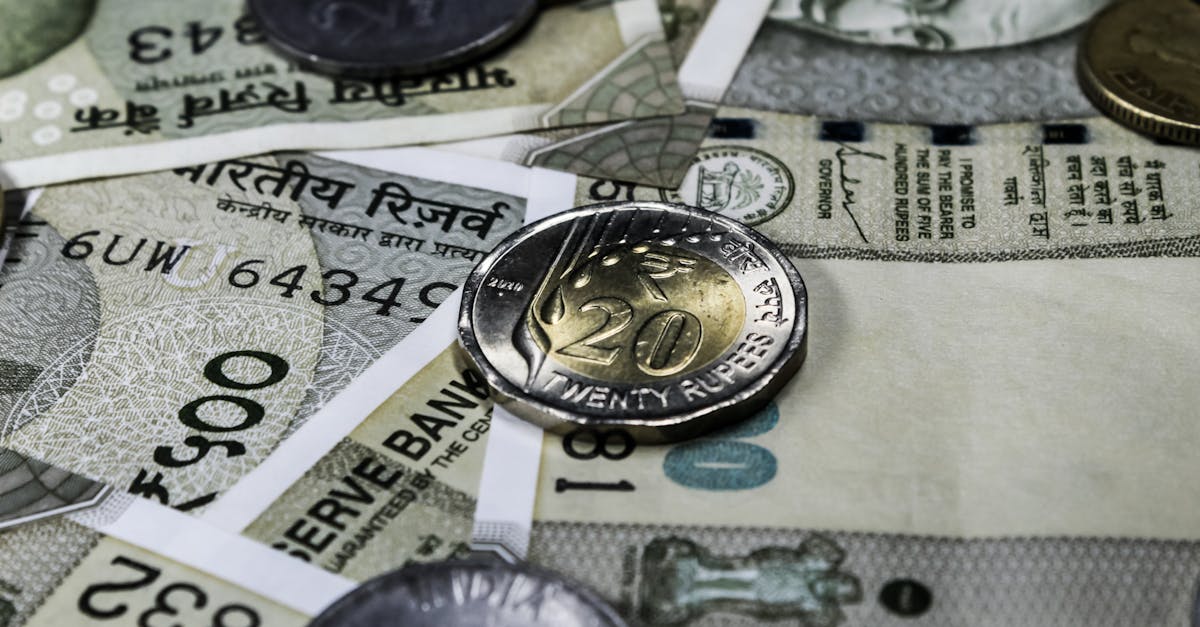
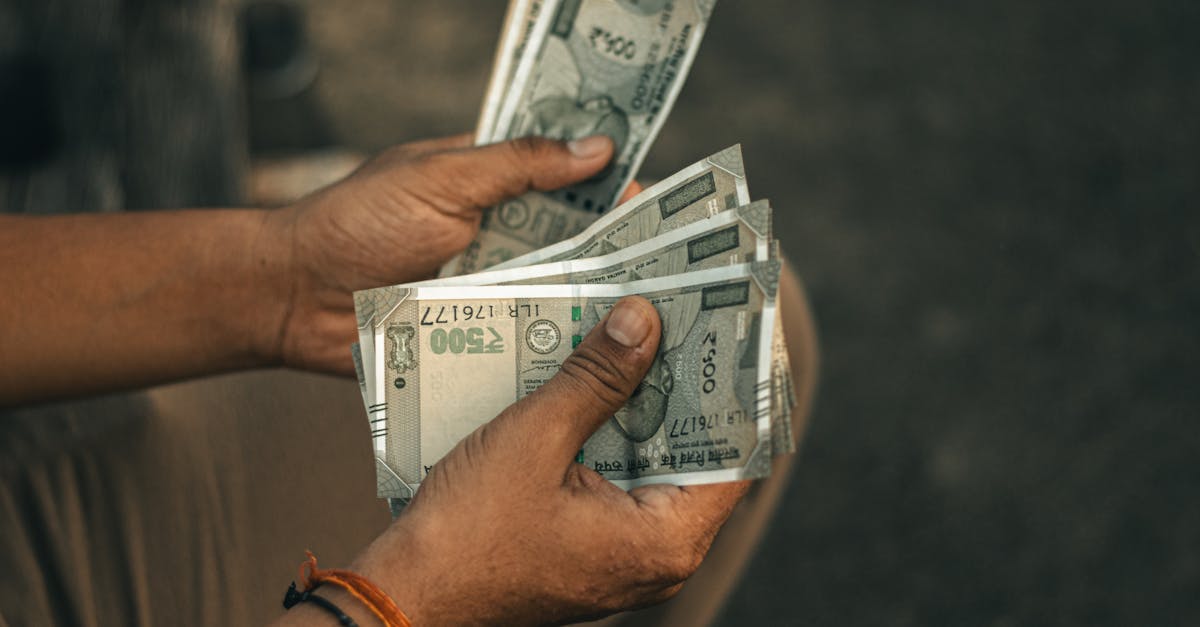
India's total retail credit outstanding crossed ₹162 lakh crore in the March 2026 quarter, growing roughly 16% year-on-year across all borrower types.
Gold loans are leading the growth surge, as more households pledge jewellery for quick cash through banks and NBFCs instead of taking personal loans.
Housing finance remains strong, NBFC lending is rising, and overall loan default rates (NPAs) are showing signs of improvement across retail segments.
Compare your gold loan interest rate — bank gold loans typically charge 9–13% while some NBFCs charge 18–24%; switching could save thousands monthly.
Check your CIBIL score before applying for any new loan — in a booming credit market, lenders are approving more but also scrutinising scores more carefully.
If you already have a personal loan at above 16% interest, use this high-competition lending environment to negotiate a lower rate or refinance with a new lender.
Gold loans have no end-use restriction and disburse in under 30 minutes — but always ask for the per-gram valuation rate; some lenders offer 10–15% more per gram than others, giving you a larger loan on the same jewellery.
Is your bank safe? Check lender ratings on GoCredit
Check Lenders →